
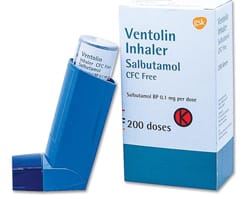
Buy Ventolin Online: Best Prices and Fast Delivery Today
Mastering Your Inhaler Dosage and Timing
Think of your Ventolin as a fire extinguisher rather than a flashlight. When your chest tightens and the air feels like it is being squeezed through a tiny straw, you don’t want to be guessing. Using it too little is like throwing a cup of water on a forest fire, leaving you gasping for breath.
Timing is the silent partner in your respiratory health. For most, this blue canister is a “rescue” tool meant for immediate relief. If you find yourself reaching for it three times in a single afternoon, it is a red flag waving in the wind. It means your baseline asthma management might be hitting a snag.
I once knew a marathon runner who treated his inhaler like a casual snack. He’d take a puff whenever he felt slightly winded, regardless of whether it was an asthma attack or just heavy breathing. He learned the hard way that overusing a rescue inhaler can actually desensitize your airways to the medication’s effects.
Always follow the specific rhythm your doctor has carved out for you. They might suggest two puffs during an acute episode, separated by a brief moment of calm. It is not a race to see how fast you can empty the canister; it is a measured dance of controlled inhalation and steady waiting.
The Rhythm of Rescue
When the tightness hits, the technique is everything. You can’t just spray and pray. First, shake the canister vigorously to mix the propellant with the medicine. If you don’t, you might just be inhaling a gust of cold air while the actual medicine stays stuck at the bottom of the tube.
Exhale fully before you bring the mouthpiece to your lips. This clears the stage so the medicine can enter the theater of your lungs. Press the canister firmly while inhaling slowly and deeply. It is a delicate balance, much like trying to blow a dandelion seed without sending it flying away.
Hold your breath for about ten seconds after the puff. This allows the aerosol particles to settle deep into the bronchioles instead of bouncing off the back of your throat. It feels like an eternity when you are struggling to breathe, but patience is your best ally in these moments.
If the first puff doesn’t do the trick, wait about sixty seconds before the second. This brief intermission gives the medication a chance to work its magic. If symptoms persist despite following your prescribed regimen, do not keep puffing away like a frantic engine; call your doctor immediately.
Keep a small log of your usage to spot patterns. If you see your “rescue” count climbing, it’s time for a check-up. Some patients find that tracking their usage helps them realize they are triggered by specific things, like pet dander or the sudden chill of a morning breeze.
Dosage and Cost Awareness
Pricing for these essential tools can vary depending on your pharmacy and insurance coverage. Generally, a standard inhaler might cost anywhere from $15 to $50 for a generic version. It is always wise to check with your provider to avoid a surprise at the checkout counter.
Generic options are often a lifesaver for your wallet. Most pharmacists can provide a bioequivalent version that works just as well as the brand name. Always ask if there is a lower-cost alternative available to ensure you never run out of your life-saving medicine due to budget constraints.
Below is a general breakdown of what you might encounter when shopping for your supplies:
| Item Type | Estimated Retail Price | Frequency |
| Generic Ventolin | $15 – $30 | As Prescribed |
| Brand Name Inhaler | $45 – $65 | As Prescribed |
| Spacer Device | $10 – $25 | One-time Purchase |
Never skip doses of your long-term controller medication just because you are saving money or feeling better. The rescue inhaler is for the emergencies, but the daily maintenance is what keeps the storms at the bay. Think of it as maintaining the foundation of a house to prevent a collapse.
Comparing Ventolin Formulations and Delivery Methods
The Mechanics of Inhalation
Choosing how you receive your medication is not merely a matter of preference; it is a matter of efficiency. The standard Metered-Dose Inhaler (MDI) is the most common sight in many medicine cabinets. It uses a propellant to turn the liquid medicine into a fine mist that travels toward your lungs.
However, the MDI can be a bit of a fickle beast. If your coordination is off, much of the medicine might simply coat your tongue or the back of your throat. It is like trying to catch raindrops in a bucket during a thunderstorm; if your aim is poor, you’ll end up mostly wet without much water inside.
For those who struggle with the “press and breathe” synchronization, a Dry Powder Inhaler (DPI) offers a different experience. These devices do not use propellants. Instead, they rely on your own inhalation strength to pull the powder into your airways. It requires a bit more lung power to get the job done correctly.
Some patients find the DPI to be a game-changer for their daily routine. Because there is no propellant, the sensation is much less “aggressive” on the throat. Yet, if you cannot take a deep, forceful breath, you might find the powder stays stuck in your mouth, wasting precious medicine.
Nebulizers and Alternative Routes
When an asthma attack feels like a heavy weight on your chest, an inhaler might feel like a mere toothpick against a mountain. In these acute scenarios, a nebulizer is often the heavy hitter. It converts liquid medication into a continuous, gentle mist that you breathe in through a mask or mouthpiece.
Nebulizers are frequently used for children or the elderly who might lack the coordination for an MDI. It is a much slower, more relaxed process. It allows the patient to breathe naturally, making it much easier to ensure the medication actually reaches the deep, narrow passages of the lungs.
While highly effective, nebulizers are not without their drawbacks. They require a power source or a compressor, making them less portable than a pocket-sized inhaler. You wouldn’t want to be hunting for an electrical outlet while hiking a mountain trail; for that, the MDI remains king of the trail.
The choice between these methods often boils down to the severity of the symptoms and the physical capability of the user. Your doctor will weigh your lung function and your dexterity to decide which tool is best suited for your specific respiratory needs.
Comparing Common Options
Understanding the logistical differences between these tools can help you prepare for different life scenarios. Here is a quick glance at the typical options available on the market today:
| Delivery Type | Primary Use Case | Portability Score |
| Metered-Dose (MDI) | Quick Rescue | High |
| Dry Powder (DPI) | Maintenance/Rescue | High |
| Nebulizer Kit | Severe Episodes | Low |
| Spacer Attachment | Improving MDI Efficacy | Medium |
Navigating Ventolin Pricing and Market Costs
The Hidden Variables of Pharmacy Bills
Walking into a pharmacy can sometimes feel like entering a high-stakes poker game where the rules change every time you blink. You might expect a straightforward transaction, but between insurance copays and manufacturer lists, the final number on the receipt can be a real shock to the system. It is rarely a simple matter of “sticker price.”
Insurance coverage acts as the great equalizer, yet it is often a double-edged sword. While a plan might drop your out-of-pocket cost to a mere $10, a high deductible can leave you footing the entire bill. It is a bit like a safety net that only catches you once you have already fallen quite a distance.
Pharmacy Benefit Managers, or PBMs, also play a massive role in what you actually pay. These middle-men negotiate behind closed doors, influencing whether you see a discount or a premium. Because of this, two people standing in the same line might pay vastly different amounts for the exact same blue canister.
If you find yourself staring at a price tag that makes your eyes water, do not lose heart. There are often ways to trim the fat from your monthly expenses. Sometimes, a quick conversation with a pharmacist can reveal a path toward a more affordable way to manage your respiratory health.
Strategies for Cost Containment
One of the most effective ways to keep your wallet from feeling empty is to ask about generics. In the world of pharmaceuticals, the “name brand” often carries a premium price tag simply because of the marketing muscle behind it. Generic versions contain the same active ingredient and work just as hard.
Another clever tactic involves using discount cards or manufacturer coupons. These are not just for high-end luxury goods; they are vital tools for life-sustaining medicine. Many companies realize that if a patient cannot afford the drug, they won’t use it, so they offer these lifelines to ensure compliance.
Mail-order pharmacies can also be a goldmine for savings, especially if you are on a long-term maintenance schedule. By ordering a 90-day supply at once, you often bypass the “convenience fee” associated with local retail shops. It is a small shift in habit that can yield significant long-term dividends.
Consider these common avenues for reducing your total spend:
- Generic Substitution: Always ask if a non-brand version is available for your prescription.
- GoodRx or Similar: Use digital coupons to unlock lower cash prices at local retailers.
- Manufacturer Assistance: Check if the drug maker offers patient assistance programs for those in need.
- Comparison Shopping: Don’t be afraid to call two different pharmacies to compare their cash prices.
Budgeting for Long-Term Management
Budgeting for asthma is not a one-time event; it is a marathon, not a sprint. You must account for the “surprise” costs, such as a sudden spike in usage during allergy season or a flare-up caused by a cold. These unexpected spikes can throw a wrench into even the most carefully constructed monthly budget.
Setting aside a small “respiratory fund” can act as a financial buffer against these inevitable storms. It is much better to have a little extra tucked away than to be caught empty-handed when a sudden tightness in the chest requires an extra inhaler. It provides a sense of peace that is priceless.
Always keep a digital or paper log of what you spend each month on your inhalers and spacers. This data becomes a roadmap for your future self. When you see the patterns, you can better predict when your supplies might run low and plan your purchases accordingly to maximize savings.
The following table illustrates how different purchasing methods might impact your monthly out-of-pocket spending:
| Purchasing Method | Expected Cost Impact | Best For |
| Local Retail (Cash) | Highest Cost | Emergency/Immediate Need |
| Insurance Copay | Moderate Cost | Routine Monthly Refills |
| Mail-Order Pharmacy | Lowest Cost | Long-term Maintenance |
| Discount Programs | Variable Savings | Uninsured or High-Deductible |
Safe Procurement and Shipping Logistics
Navigating the Digital Marketplace
The internet is a vast ocean, and trying to find a reliable source for your Ventolin can feel like sailing through a thick fog. You might stumble upon a website that looks professional, boasting prices that seem almost too good to be true. However, if a deal feels like a steal, it might actually be a trap.
It is vital to distinguish between a legitimate online pharmacy and a “rogue” operator. Legitimate entities will always require a valid prescription from a licensed healthcare provider. If a site offers to ship your inhaler without any medical oversight, you are essentially playing a dangerous game of Russian roulette with your lungs.
Always look for the “VIPPS” seal or similar accreditation markers on a website’s footer. These digital badges act like a lighthouse, guiding you away from the jagged rocks of counterfeit medications. A shady vendor might save you $20 today, but the cost of a fake, ineffective inhaler is a price no one should pay.
When browsing, keep these red flags in mind to protect your health and your wallet:
- No Prescription Required: If they don’t ask for a doctor’s note, run the other way.
- Unrealistic Pricing: If it is significantly lower than all other vendors, it is likely fraudulent.
- Poor Communication: Legitimate pharmacies have clear contact information and professional customer support.
- Sketchy Payment Methods: Avoid sites that insist on wire transfers or unencrypted payment portals.
Shipping Standards and Temperature Control
Once you have found a trustworthy vendor, the next hurdle is the physical journey of the canister. Ventolin is a sensitive little device that does not take kindly to extreme environmental shifts. If a package sits on a sweltering porch in $95 heat or freezes in a delivery truck, the medication may degrade.
A professional pharmacy will take extra precautions to ensure your lifeline arrives in pristine condition. They often use specialized packaging designed to mitigate temperature swings. When your package arrives, inspect the box immediately. If it looks crushed or shows signs of exposure to moisture, contact the provider right away.
Tracking your shipment is not just about knowing when your package arrives; it is about peace of mind. Reliable logistics companies provide real-time updates, allowing you to ensure someone is home to receive it. This prevents the medication from sitting in a mailbox, exposed to the elements for an extended period.
Consider these logistical factors when choosing your delivery method:
| Shipping Factor | Risk Level | Mitigation Strategy |
| Extreme Heat | High | Request insulated packaging |
| Delayed Delivery | Moderate | Use tracked, expedited shipping |
| Package Tampering | Low | Inspect seals upon arrival |
Critical Usage Scenarios and Emergency Triggers
Recognizing Acute Asthma Attacks
When your chest feels like it is being squeezed by an iron band, that is your body screaming for help. An acute attack can strike without warning, often triggered by allergens, cold air, or intense physical exertion. In these moments, you shouldn’t hesitate; you need to reach for your rescue inhaler immediately to open those tightening airways.
It is vital to understand that Ventolin is not a daily maintenance drug for long-term control. Think of it as a firefighter arriving at a blaze, rather than the sprinkler system that runs quietly in the background. If you find yourself reaching for it more than twice a week, your underlying asthma management likely needs a serious tune-up from your doctor.
During a sudden flare-up, try to remain as calm as possible. Panic can actually exacerbate shortness of breath, creating a vicious cycle that makes breathing even harder. Sit upright and take slow, deliberate breaths while administering the medication. If the symptoms do not begin to subside within a few minutes, you are entering a red-zone situation.
The following signs indicate that a standard dose might not be enough to stem the tide:
- Rapid Onset: Difficulty breathing that appears suddenly during exercise or exposure to smoke.
- Chest Tightness: A heavy, crushing sensation that makes it hard to take a full breath.
- Audible Wheezing: High-pitched whistling sounds when you exhale, signaling narrowed bronchial tubes.
- Persistent Coughing: A hacking, dry cough that refuses to settle even after using your inhaler.
Emergency Red Flags and When to Seek Help
There is a fine line between a manageable flare-up and a life-threatening medical emergency. Sometimes, even the most reliable inhaler can’t keep up with the storm. If you feel like you are gasping for air or your lips are turning a faint shade of blue, stop everything and call emergency services or head to the ER.
Waiting too long to seek professional help can turn a manageable crisis into a catastrophe. If your rescue medication provides only fleeting relief—perhaps only a few minutes of comfort before the tightness returns—you are running out of time. Do not attempt to “tough it out” or wait for the medication to kick in if it isn’t working.
When you arrive at an emergency room, be prepared to provide your medical history. Doctors will need to know how often you have used your Ventolin in the last hour and how your body responded. This information is the roadmap they will use to stabilize your breathing and prevent further respiratory distress.
Keep this checklist of emergency indicators handy for you or your caregivers:
| Symptom Severity | Action Required | Immediate Step |
| Rapid Worsening | Critical | Call 911 immediately |
| Inhaler Failure | High | Seek urgent care |
| Speech Difficulty | Extreme | Emergency transport |
Managing Side Effects and Interaction Risks
Navigating Common Physical Sensations
Using a rescue inhaler is a bit like hitting the gas pedal on a car; you expect a sudden surge of energy. Because Ventolin stimulates your nervous system, it is quite common to feel a bit jittery or “wired.” Some users report their heart racing or feeling a slight tremor in their hands shortly after use.
While these sensations can feel a bit spookish, they are usually temporary. Think of it as a brief burst of adrenaline that eventually settles back to baseline. However, if the palpitations feel heavy or uncomfortable, don’t just ignore them. It is always better to be safe than sorry when your heart starts acting like a drum.
If you experience persistent headaches or a nervous disposition, keep a log of when these occur. Sometimes, the body needs time to adjust to the medication’s rhythm. If the jitters don’t subside or if they become overwhelming, your doctor might suggest adjusting your overall asthma management strategy rather than just reacting to the side effects.
Commonly reported side effects include:
- Tremors: A slight shaking in the hands or fingers.
- Tachycardia: The sensation of a rapid or pounding heartbeat.
- Nervousness: A feeling of restlessness or heightened anxiety.
- Dizziness: A brief sense of lightheadedness or vertigo.
Watching Out for Drug Interactions
Medication doesn’t exist in a vacuum; it often shakes hands with other substances in your system. When you take Ventolin, you must be mindful of certain drugs that can clash. For instance, beta-blockers—often prescribed for heart conditions—can act like a brake on the medication’s ability to open your airways.
It is like trying to drive with one foot on the gas and the other on the brake. If you are taking medications for blood pressure or heart rhythm, the interaction can be significant. Always play “musical chairs” with your physician, ensuring they have a complete list of every supplement and prescription you currently use.
Certain combinations can also lead to an imbalance in your potassium levels. High doses or frequent use might cause your body to lose too much potassium, which is vital for muscle and nerve function. This is why staying hydrated and maintaining a balanced diet is a piece of the puzzle in overall respiratory health.
Potential interactions to discuss with a professional:
| Interacting Agent | Potential Effect | Risk Level |
| Beta-Blockers | Reduced effectiveness of Ventolin | High |
| Diuretics | Lowers potassium levels | Moderate |
| Tricyclic Antidepressants | May increase side effect intensity | Moderate |
Managing the Cost of Care
Managing your health shouldn’t feel like you are throwing money down a bottomless pit. Depending on your insurance coverage and the pharmacy you choose, the price for a standard inhaler can fluctuate. It is wise to shop around and compare prices to keep your budget from breathing heavy.
Generic versions are often a much more affordable way to manage your symptoms without breaking the bank. A generic option might cost you around $25, whereas a brand-name version could climb toward $50 or more. Always check with your pharmacist to see what options are available to you locally.
Many manufacturers also offer assistance programs that can help lower the sting of high costs. If you find yourself struggling to afford your medication, do not simply skip doses. Talk to your healthcare provider; they often have resources or can suggest more cost-effective ways to maintain your treatment plan.
Contact & directions
Address:
2717 West Olympic Boulevard,
Los Angeles, CA 90006, USA