
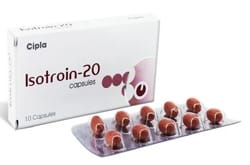
Buy Isotretinoin Online: Best Prices and Fast Shipping
The Science of Isotretinoin and Skin Clarity
Think of your skin as a complex highway system where traffic jams can lead to major accidents. When sebum production goes into overdrive, those oily secretions act like sludge, clogging up the pores. Isotretinoin steps in like a master traffic controller, smoothing out the flow and preventing the buildup that leads to painful, red inflammation.
At its core, this medication is a powerful derivative of Vitamin A. It doesn’t just sit on the surface like a temporary band-aid; instead, it works deep within the sebaceous glands. By shrinking these glands, it fundamentally changes how your skin produces oil, effectively turning off the faucet that feeds acne breakouts.
It is not a quick fix, but rather a structural overhaul of your skin’s biological processes. While some users might feel like they are waiting forever for results, the physiological shifts occurring beneath the surface are profound. It essentially rewires the way your skin handles excess lipids and cellular turnover.
The Biological Mechanism of Action
To understand how it works, imagine your skin cells are like a conveyor belt. In acne-prone skin, this belt moves too slowly, causing dead cells to pile up and block the pores. Isotretinoin speeds up this “desquamation” process, ensuring that dead skin cells are shed properly rather than getting stuck.
Beyond just moving cells along, it addresses the root of the problem: the bacteria. When pores are clogged with oil, Propionibacterium acnes finds a playground to multiply. By reducing the available food source—the sebum—the medication starves these bacteria, making it much harder for them to thrive and cause infection.
The reduction in inflammation is perhaps the most visible miracle of the drug. It stabilizes the cell membranes and dampens the inflammatory response that causes those angry, swollen bumps. It is like putting out a fire before it can spread to the rest of the house, saving the skin from scarring.
Clinical data suggests several key changes occur during treatment:
- Significant reduction in the size and activity of sebaceous glands.
- Normalization of the skin’s natural shedding process.
- Decrease in the production of inflammatory cytokines.
- Lowered levels of sebum composition in the skin surface.
Comparing Treatment Modalities
Patients often find themselves standing at a crossroads between topical creams and oral systemic treatments. While topical retinoids are like a gentle breeze, isotretinoin is more like a thunderstorm. Both have their place, but the intensity of the systemic approach is what makes it a heavy hitter.
Choosing the right path depends heavily on the severity of the condition and the individual’s medical history. It is a delicate balance between efficacy and the side effects that come with such a potent substance. Many people find that while the journey is bumpy, the clarity at the end is worth the effort.
The following table outlines the primary differences between the two approaches to help clarify the landscape:
| Feature | Topical Retinoids | Isotretinoin (Oral) |
| Primary Target | Surface-level skin cells | Sebaceous glands and sebum |
| Systemic Impact | Minimal to none | Significant (requires monitoring) |
| Typical Cost | $20 – $100 | $50 – $300+ |
It is crucial to remember that every skin type reacts differently to these chemical messengers. What works for one person might be a total mismatch for another. Navigating these waters requires patience, a steady hand, and constant communication with a medical professional to ensure the skin heals without compromise.
Navigating Dosage Protocols and Cycles
The Architecture of a Treatment Cycle
Stepping into a cycle of Isotroin is less like taking a vitamin and more like embarking on a marathon. You cannot simply sprint through the first few weeks and expect a trophy. It requires a steady, rhythmic pace to allow your body to adapt to the sudden shift in hormonal and lipid production.
Doctors typically design these cycles based on a cumulative dose, which is the total amount of medication your body processes over several months. Think of it as filling a reservoir; you need to pour in enough water over time to ensure the landscape remains lush long after you stop.
The “loading phase” is often where the most significant adjustments occur. During this time, your skin might actually look a bit worse before it looks better, a phenomenon many call “purging.” It is a temporary storm that signals the deep-seated debris is finally being cleared out of your pores.
Consistency is the golden rule of the entire process. Skipping doses is like trying to drive a car with a leaking fuel tank; you might make progress, but you are ultimately wasting precious time and effort. Staying on schedule ensures that the concentration of the drug in your system remains stable and effective.
Determining the Individualized Dose
There is no “one size fits all” suit when it comes to dosing. A teenager with severe cystic acne might require a much higher daily milligram count compared to an adult with milder, persistent breakouts. Your physician will weigh your body weight, the severity of your acne, and your medical history.
Some people find success with a low-dose, long-term approach. This method is often a “slow and steady wins the race” strategy, aiming to minimize side effects like extreme dryness. It focuses on maintaining a gentle, consistent pressure on the sebaceous glands rather than a sudden, overwhelming surge.
Conversely, a high-dose protocol might be chosen to tackle aggressive, scarring acne quickly. While this can lead to faster results, it often comes with a steeper learning curve regarding skin sensitivity and lip dryness. It is a high-stakes game of balance that requires constant monitoring from your dermatologist.
The following table provides a glimpse into how different treatment plans might be structured based on common clinical approaches:
| Treatment Plan | Typical Duration | Estimated Monthly Cost | Focus Area |
| Low-Dose Maintenance | 9–12 Months | $40 – $70 | Side effect mitigation |
| Standard Therapeutic | 6–8 Months | $80 – $150 | Balanced efficacy |
| Aggressive Protocol | 4–6 Months | $150 – $300+ | Rapid clearance |
Managing the Long-Term Transition
Once you reach the end of your prescribed cycle, the real work begins: the maintenance phase. Many people fear the “rebound effect,” where acne returns as soon as the medication is discontinued. It is vital to treat your skin with kindness during this transition period to prevent sudden flare-ups.
Your dermatologist might suggest a “tapering” method, where the dose is gradually lowered rather than stopped abruptly. This allows your sebaceous glands to slowly recalibrate their oil production. It is much like slowly turning down the heat on a stove rather than cutting the power entirely.
Monitoring your skin’s behavior during the months following treatment is essential. Keep a journal of how your skin reacts to your regular skincare routine. If you notice a sudden uptick in oiliness or redness, it may be an early signal that your skin needs a little extra support or a different approach.
Ultimately, the goal of any dosage protocol is to achieve long-term remission. You aren’t just looking for a clear complexion for a single photo; you are looking for a permanent change in how your skin functions. Treat the process with respect, follow the roadmap, and listen to your body’s subtle cues.
Comparing Isotretinoin Brands and Formulations
Walking into a pharmacy can feel like navigating a labyrinth of confusing labels and chemical names. You might see one brand name on your prescription but find another sitting on the shelf. It is easy to feel lost in the shuffle of pharmaceutical marketing and generic versus brand-name debates.
At its core, the active ingredient remains the same across the board. Whether you are taking a big-name brand or a generic alternative, the molecule is designed to do the same heavy lifting. However, the “packaging” around that molecule can sometimes change how your body absorbs it.
Some patients swear by a specific brand, claiming it works like magic, while others find the generic version to be a total game-changer. This isn’t just superstition; it often comes down to the inactive ingredients, such as fillers or dyes, that accompany the medication in each pill.
It is a bit like buying coffee. You can get the expensive, branded bag or the supermarket generic. Both contain caffeine, but one might have a different roast or a slightly different aftertaste that affects your morning routine. In the world of skin health, these small differences can matter.
Generic vs. Brand-Name Options
For many, the primary motivation for choosing a generic is the price tag. Brand-name medications often carry a hefty premium, sometimes costing several hundred dollars more per month. For those on a tight budget, these costs can feel like a heavy weight on their shoulders.
The FDA ensures that generic drugs are bioequivalent to their brand-name counterparts. This means they must deliver the same amount of active ingredient into your bloodstream. It is a rigorous standard designed to ensure that “cheaper” doesn’t mean “less effective” for the average patient.
However, “bioequivalent” is a technical term that doesn’t account for every unique body. Some individuals report that their skin reacts differently to generics. They might find the side effects slightly more or less intense, though medical science often attributes this to the placebo effect or minor filler variations.
If you find yourself struggling to keep up with the monthly expense, talk to your doctor. Often, there is a middle ground. Switching to a generic can save you $100 or more every single month, which adds up to a massive amount of money over a year-long treatment.
Capsule and Softgel Differences
The physical delivery method of your medication can also vary. You might encounter hard capsules, which are essentially tiny shells filled with powder, or softgels, which are the squishy, gel-like pills. This distinction is more than just a matter of how they feel in your mouth.
Isotretinoin is fat-soluble, meaning it needs a little bit of fat to hitch a ride into your system. Because of this, the formulation of the capsule is crucial. Some softgels are designed to release the medication more steadily, while others might release it all at once.
If you notice your skin is behaving erratically, it might be worth asking your dermatologist about the specific formulation you are receiving. A sudden change from a softgel to a hard capsule can sometimes cause a minor “bump” in how your body processes the dose.
The following table illustrates the general differences you might encounter when discussing these options with your pharmacist:
| Formulation Type | Common Appearance | Absorption Profile | Typical Cost |
| Brand-Name Softgel | Smooth, gelatinous | Rapid and consistent | $150 – $300 |
| Generic Softgel | Smooth, gelatinous | Variable but similar | $80 – $180 |
| Generic Hard Capsule | Opaque, firm | Slightly slower release | $40 – $100 |
The Importance of Consistency
Regardless of whether you choose a premium brand or a budget-friendly generic, consistency is the name of the game. You shouldn’t be switching back and forth between different manufacturers every month. This is like trying to learn a new language by switching dialects every week.
Every time you switch brands or formulations, you introduce a tiny variable into the equation. While it might not cause a massive flare-up, it can make it difficult for your doctor to judge whether your current dose is working perfectly or if adjustments are needed.
Try to stick with one manufacturer if possible. If your pharmacy switches your generic brand, keep a close eye on your skin and your bloodwork. If you see a sudden change, don’t panic, but do make a note of it for your next clinical appointment.
In the grand scheme of things, the goal is to find a stable rhythm. Once you find a formulation that works for your skin and your wallet, hold onto it. Stability is the secret ingredient to achieving that clear, glowing complexion you’ve been working toward.
Market Pricing and Cost Expectations
Navigating the financial landscape of isotretinoin can feel like walking through a minefield of unexpected expenses. It is rarely just about the price of the pills themselves. Between pharmacy copays and the mandatory laboratory tests, the total bill can quickly snowball, catching many patients off guard during their journey toward clear skin.
Budgeting for this treatment requires a long-term perspective rather than a snapshot view. You aren’t just paying for a monthly prescription; you are funding a comprehensive medical protocol. If you do not account for the “hidden” extras, your bank account might feel the squeeze before your skin sees the results.
Think of it as preparing for a long road trip. You wouldn’t just pay for the gas; you have to account for the snacks, the tolls, and the occasional unexpected repair. Treating acne with isotretinoin follows a similar logic of cumulative costs that add up over several months of therapy.
Many patients find that their insurance coverage is the ultimate wild card. Some plans treat this as a standard medication, while others may require prior authorization or specific tiered coverage. Always verify your out-of-pocket maximums before you begin the first month to avoid any nasty financial surprises.
The Monthly Breakdown
When we look at the actual numbers, the variation is quite striking. You might find yourself in a position where one pharmacy charges $50 for a thirty-day supply, while another asks for $150 for the exact same generic. This discrepancy often stems from how different insurance providers negotiate with local retail chains.
It is important to remember that your pharmacy’s “cash price” is often vastly different from your insurance copay. Sometimes, paying the full retail price out-of-pocket is actually cheaper than using your insurance if your deductible has not been met yet. It sounds counterintuitive, but it is a common reality in modern healthcare.
The following list outlines the common expenses you should anticipate during your treatment cycle:
- Monthly prescription copays ranging from $15 to $100+.
- Routine blood work to monitor liver enzymes and lipids.
- Hydration and skincare essentials like heavy moisturizers and lip balms.
- Potential costs for acne-related dermatological consultations.
Don’t let the math intimidate you into skipping doses. Skipping medication because of cost is a recipe for disaster, as it can lead to a relapse of acne. If the numbers simply do not add up, there are often patient assistance programs or manufacturer coupons that can provide significant relief.
Insurance and Assistance Programs
Dealing with insurance adjusters can feel like shouting into a void. They often demand mountains of paperwork to prove that your acne is “severe” enough to warrant such a strong medication. This bureaucratic dance is a common hurdle that many patients face before they can even pick up their first bottle.
If you find yourself stuck in a loop of “denied” claims, do not throw in the towel just yet. Often, a simple phone call from your dermatologist’s office can clear the path. They can provide the clinical evidence required to satisfy the insurance company’s strict criteria for coverage.
Some pharmaceutical companies offer programs specifically designed to help ease the burden for those who are underinsured. These programs can sometimes reduce your monthly cost to a flat fee, regardless of what your insurance says. It is a lifesaver for those navigating the high costs of specialized dermatological care.
Keep a dedicated folder for all your medical receipts and insurance explanations of benefits. When you sit down with your accountant or your doctor, having this paper trail will be invaluable. It ensures you are not paying a single cent more than is absolutely necessary for your health.
Sourcing and Safe Procurement Strategies
Hunting for the right supplier can feel like searching for a needle in a haystack. You might be tempted by websites that promise lightning-fast shipping and rock-bottom prices, but beware the sirens singing from the digital deep. Many of these “too good to be true” sites are nothing more than shadows, offering counterfeit pills that could do more harm than good.
Safety should always be your north star when navigating the online pharmacy landscape. A legitimate source will never ask you to bypass a doctor’s prescription. If a website offers to ship Isotroin without a valid medical evaluation, run the other way. They are cutting corners that your health simply cannot afford to lose.
I once spoke with a patient who tried to save a few bucks by using an unverified international vendor. The pills arrived, but they were nothing but chalky, ineffective pieces of nothing. It was a costly mistake that delayed his progress by three months. Always prioritize your well-being over a temporary discount to ensure your treatment actually works.
When evaluating a pharmacy, look for the “VIPPS” seal or similar regulatory certifications. These markers act as a digital handshake, signaling that the vendor adheres to strict safety standards. If a site lacks clear contact information or a physical address, consider that a massive red flag that you should never ignore.
Verifying Vendor Legitimacy
Think of your pharmacist as a gatekeeper for your health. A reputable pharmacy will always require a direct prescription from your dermatologist. This isn’t just red tape; it is a vital safety barrier designed to ensure that the medication you are taking is appropriate for your specific biology and medical history.
If you are considering mail-order options, check the pharmacy’s credentials through state board websites. You wouldn’t buy car parts from a stranger in a dark alley, so why would you buy medicine from an unverified digital entity? Taking ten minutes to verify a license can save you thousands of dollars and endless medical headaches down the road.
It is worth noting that legitimate mail-order pharmacies are often much more affordable than local retail chains. Many major insurance companies have preferred partners that offer significant discounts on specialized medications. Using these established channels provides a sense of peace that a “bargain” site simply cannot offer to a cautious patient.
The following table provides a quick way to differentiate between a legitimate pharmacy and a high-risk vendor:
| Feature | Legitimate Pharmacy | High-Risk Vendor |
| Prescription Required? | Yes, always. | Often, no. |
| Physical Address? | Clearly listed. | Hidden or fake. |
| Price Point? | Market standard. | Suspiciously low. |
The Risks of Counterfeit Medication
The black market for specialized dermatological drugs is a murky, dangerous territory. Counterfeit medications are often manufactured in unregulated facilities where hygiene is a secondary concern. These pills might contain the wrong dosage, no active ingredients at all, or even dangerous contaminants like lead or toxic fillers that can damage your liver.
Imagine taking a pill expecting to clear your skin, only to realize you are actually ingesting heavy metals. It sounds like a nightmare from a thriller novel, but it is a very real possibility in the world of unregulated online sales. Your skin is the least of your worries if the chemical composition of your pills is unknown.
Always keep an eye on the physical appearance of your medication. If your pills suddenly look different—perhaps a different color, shape, or texture—than what your doctor prescribed, stop taking them immediately. Contact your healthcare provider right away to ensure you haven’t been handed a fraudulent batch of medication.
When you follow the rules, you are playing the game on a level playing field. Stick to the channels that require medical oversight and verified credentials. While it might feel like a slower process, the certainty of knowing exactly what is entering your body is worth every extra minute of waiting.
Shipping Logistics and Delivery Timelines
Navigating the logistics of receiving Isotroin can feel like a high-stakes waiting game. You might find yourself checking the tracking number every hour, hoping for a sign of progress. It is a peculiar kind of anxiety that comes with waiting for a treatment that could change your life entirely.
Most reputable pharmacies offer several tiers of service to suit different needs. If you are in a rush to start your regimen, expedited shipping might be your best friend. However, remember that speed often comes with a premium price tag that can significantly impact your monthly budget.
Standard shipping is typically the most cost-effective route for those who aren’t in an immediate crisis. This method usually takes between 5 to 10 business days to arrive at your doorstep. It is a slow and steady approach that keeps your wallet happy while ensuring your medication arrives safely.
I remember a client who opted for the cheapest possible shipping to save $15. His package got stuck in a sorting facility for three weeks without a single update. He ended up spending more on follow-up consultations than he ever saved on the shipping fee. Sometimes, paying a little more for reliability is a wise investment.
Common Delivery Timeframes
Understanding the timeline is crucial for maintaining your treatment schedule. Consistency is the name of the game when it comes to Isotroin. If you run out of pills because a package is delayed, you might face a setback in your skin’s progress that takes weeks to recover from.
Different regions and carrier services will naturally create variations in how long your box spends in transit. A shipment sent from a domestic warehouse will move much faster than one crossing an ocean. Always factor in these geographic variables when you are calculating your next refill date.
The following table breaks down the typical delivery windows you can expect from a standard, legitimate pharmacy service:
| Shipping Method | Estimated Time | Cost Range |
| Standard Ground | 5 – 10 Business Days | $5 – $10 |
| Priority Mail | 2 – 3 Business Days | $20 – $35 |
| Overnight Express | 1 Business Day | $50+ |
Keep in mind that these numbers are just a ballpark figure. Weather conditions, holidays, and even sudden surges in mail volume can throw a wrench in the works. It is always better to be safe than sorry; I recommend ordering your next supply two weeks before you actually run dry.
Tracking and Package Security
Once your order leaves the pharmacy, you should never be left in the dark. A professional vendor will provide a tracking number via email so you can watch your package move across the map. This digital paper trail is your primary defense against lost or stolen shipments.
If your tracking information hasn’t updated in several days, don’t sit there twiddling your thumbs. Reach out to the pharmacy’s customer service team immediately. They often have direct lines to the carriers and can investigate if a package has been diverted or stuck in a local hub.
Privacy is also a major concern when receiving specialized medications. You might not want your neighbors seeing a box clearly labeled as “Dermatology Supplies” on your porch. Many legitimate providers use plain, discreet packaging that doesn’t scream “prescription medication” to anyone passing by your home.
If you live in an apartment complex, consider using a secure locker or a package pickup point. Leaving expensive medical supplies on a doorstep is asking for trouble. It is better to take a short walk to a secure location than to deal with the headache of a stolen delivery.
Managing Side Effects and Recovery Phases
Embarking on an Isotroin regimen is a bit like steering a ship through a storm to reach a calm, beautiful harbor. While the end goal is clear skin, the journey itself can be quite bumpy. You might experience some turbulence as your body adjusts to the potent active ingredients within the medication.
Most people encounter a “purge” phase or increased dryness early on. It’s not uncommon to feel like your skin is a desert or your lips are constantly cracking. Think of it as your body’s internal chemistry recalibrating itself. It can be frustrating, but these hiccups are often just temporary hurdles on the road to clarity.
I once spoke with a young man who was terrified of the redness he experienced in week three. He thought he was doing something wrong, but his doctor explained it was merely a standard physiological response. Once he embraced the process and adjusted his skincare, the discomfort faded into the background of his progress.
Managing these symptoms requires a proactive mindset and the right toolkit. You shouldn’t just wait for the discomfort to pass; you should actively mitigate it. Being prepared can turn a potentially stressful experience into a manageable part of your daily routine, ensuring you stay on track with your treatment.
To help you stay organized, I have put together a quick checklist of essential supplies you should have on hand:
- Non-comedogenic moisturizer to combat intense dryness.
- Lip balm with high oil content to prevent painful cracking.
- Broad-spectrum sunscreen (SPF 30 or higher) for daily use.
- Gentle, fragrance-free cleanser to avoid stripping natural oils.
- Saline nasal spray if you experience dryness in your nasal passages.
Understanding the Recovery Timeline
Recovery isn’t a straight line; it’s more of a wavy path that fluctuates as your skin heals. You might have weeks where your complexion looks absolutely flawless, only to see a few stubborn spots pop up the following week. This is a normal part of the biological healing process.
The “post-treatment” phase is where the real magic happens. Once you finish your prescribed course, your skin enters a stabilization period. This is a delicate time when your body’s natural oil production settles back into a healthy equilibrium. It is crucial not to rush into aggressive new products during this window.
The following table outlines the general stages of the skin’s journey during and after an Isotroin cycle:
| Phase | Common Characteristics | Typical Duration |
| Initial Adjustment | Increased dryness, redness, or slight purging. | Weeks 1 – 6 |
| Active Treatment | Significant reduction in breakouts; skin feels sensitive. | Months 2 – 6+ |
| Post-Treatment Stabilization | Skin settles; focus shifts to maintaining the results. | Months 6 – 12 |
Many people find that the psychological relief of seeing clear skin is just as impactful as the physical results. However, maintaining that clarity requires a long-term commitment to skin health. Think of it as a marathon rather than a sprint; consistency in your post-treatment routine is your insurance policy.
Contact & directions
Address:
2717 West Olympic Boulevard,
Los Angeles, CA 90006, USA