
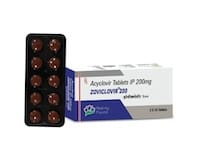
Buy Aciclovir Online: Best Prices and Fast Delivery
Managing Viral Outbreaks with Aciclovir
When a cold sore decides to make an uninvited appearance on your lip, it feels like a tiny, stinging betrayal. You might notice a tingling sensation before the physical blister even surfaces. This is your body’s way of sounding the alarm, signaling that the virus is waking up from its slumber.
Acting swiftly is the name of the game when dealing with these sudden flare-ups. Applying aciclovir at the first sign of discomfort can be a real lifesaver. It works like a specialized roadblock, preventing the virus from making copies of itself and spreading further into your healthy skin cells.
Think of it as a fire extinguisher for a small spark. If you wait until the blaze is out of control, the damage is already done. By using the cream or tablets early, you effectively dampen the flames, significantly reducing the duration and intensity of the outbreak.
However, not every situation requires the same heavy lifting. Depending on how aggressive the symptoms feel, your doctor might suggest different approaches. It is never a “one size fits all” scenario when it comes to managing your skin’s rebellious behavior.
Timing and Application Strategies
Timing is everything when you are fighting an uphill battle against a viral outbreak. If you catch the itch before the bump appears, you are already halfway to victory. This “prodromal” stage is your golden window for intervention to keep the virus in check.
For topical creams, consistency is your best friend. You shouldn’t just dab it on once and call it a day. Instead, aim for frequent applications as directed, usually around the site of the irritation, to ensure the medication maintains a steady presence.
If you are dealing with a more systemic issue, oral tablets might be the heavy artillery you need. These are often prescribed for more severe cases or for those who find that topical creams simply don’t cut it. Always follow the dosage strictly.
I remember a friend who ignored the tingling for two days. By the time she used her medication, the blister was a painful mess. It was a classic case of waiting until the ship had already sailed, missing the chance to steer it away.
To get the most out of your treatment, keep these habits in mind:
- Start treatment at the absolute first sign of a tingle.
- Do not skip doses, even if you feel better halfway through.
- Avoid touching or picking at the area to prevent secondary infections.
- Wash your hands thoroughly after applying any topical medication.
Cost and Availability Overview
Navigating the pharmacy aisles can sometimes feel like walking through a financial minefield. Prices for aciclovir can vary wildly depending on whether you are grabbing a generic tube or a brand-name version. It is always wise to compare your options before checking out.
Generally, generic versions are the budget-friendly champions of the pharmacy. They contain the same active ingredients but won’t break the bank. For many, this is the most practical way to keep a stocked medicine cabinet without sweating the price tag too much.
Below is a rough estimate of what you might encounter at a local pharmacy. Please keep in mind that these are just ballpark figures and actual costs can shift based on your location or specific brand.
| Product Type | Estimated Price Range |
| Generic Aciclovir Cream (5g) | $5 – $12 |
| Generic Aciclovir Tablets (Pack of 20) | $15 – $30 |
| Brand Name Antiviral Cream | $25 – $45 |
If you find yourself needing a prescription, it is worth checking with your insurance provider first. Some plans cover these essentials quite well, while others might require a higher co-pay. Being prepared can save you a lot of headache at the counter.
Determining Your Correct Dosage and Timing
The Importance of Precision
Think of your medication schedule like a train timetable. If you miss a departure, the whole journey gets thrown off course. With aciclovir, missing a dose isn’t just a minor slip-up; it is like leaving a gap in your defensive wall while the enemy is actively charging your gates.
Doctors usually tailor your regimen based on the specific type of outbreak you are facing. For a simple cold sore, you might only need a few days of treatment. However, if you are battling a more widespread shingles flare-up, the dosage might be much more intense.
It is vital to read the fine print on your prescription bottle. Some people find success with a high-frequency, low-dose approach, while others are prescribed larger amounts less often. Always prioritize the specific instructions provided by your healthcare professional over general advice found online.
I once knew a man who thought he could “catch up” on missed doses by taking a double dose the next morning. That was a massive mistake. Doubling up can lead to unnecessary side effects like nausea or headaches, so never try to play doctor with your timing.
Managing Your Daily Routine
Consistency is the secret sauce to effective antiviral therapy. Many people make the mistake of stopping the medication once the visible sores have healed. This is a dangerous game. The virus might still be lurking under the surface, ready to strike again if you don’t finish the course.
If you are using a topical cream, try to tie your application to a daily habit. Perhaps you apply it right after brushing your teeth in the morning and again before bed. This makes the “boring” part of medicine feel like a natural part of your daily rhythm.
For those taking oral tablets, try setting an alarm on your smartphone. It sounds a bit extra, but when you are dealing with a painful outbreak, your brain is often too preoccupied with the discomfort to remember the clock. Technology can be a real lifesaver here.
When it comes to oral medication, some people find that taking it with food helps settle a nervous stomach. If you feel a bit queasy after your pills, try eating a light snack first. It is a small tweak that can make a massive difference in your comfort.
Consider these common dosing scenarios to help visualize your options:
- Oral Therapy: Often taken multiple times a day for several days to suppress active viral replication.
- Topical Therapy: Usually applied every few hours to keep the medication concentrated on the skin.
- Prophylactic Use: Sometimes prescribed for long-term prevention in patients with frequent, severe outbreaks.
Understanding the financial side of your treatment can help you plan your budget. Whether you are buying a single tube or a large supply for long-term management, knowing the landscape helps avoid any sudden sticker shock at the pharmacy counter.
The following table provides a comparison of common aciclovir purchase options and their typical market costs.
| Option Type | Quantity/Format | Estimated Cost |
| Generic Cream | 5g Tube | $8 |
| Generic Tablets | 20-Count Pack | $22 |
| Premium Brand Cream | 5g Tube | $35 |
| Prescription Supply | 60-Count Pack | $55 |
Aciclovir Cost and Market Pricing in USD
Factors Influencing Your Final Bill
Walking into a pharmacy shouldn’t feel like stepping into a high-stakes poker game. You might find that the price tag shifts depending on whether you reach for the name brand or the generic alternative. It is a classic case of “you get what you pay for,” but in the world of medicine, generics often do the heavy lifting.
The sheer volume of your prescription plays a massive role in the final math. A small tube of cream for a sudden cold sore is a minor expense, a mere drop in the bucket. However, if you are managing a chronic condition, those monthly costs can start to add up like a slow leak in a garden hose.
Insurance coverage remains the wild card in this equation. One person might pay only a few dollars due to a robust plan, while another might face the full brunt of the retail price. It is always wise to ask the pharmacist about your specific coverage before you head to the checkout line.
Location also plays its part in the grand scheme of things. Prices can vary significantly between a high-end boutique pharmacy in a metropolitan area and a local corner drugstore. It might be worth making a quick phone call to a few nearby spots to see who offers the best deal.
Comparing Different Purchasing Methods
Many patients find that online pharmacies offer a tempting discount compared to local brick-and-mortar shops. It can feel like finding a hidden treasure when you realize you can save a significant chunk of change. Just ensure the provider is legitimate and holds the proper certifications to avoid any shady business.
Subscription models are becoming increasingly common for those needing long-term maintenance. These services often bundle the medication with automatic refills, which can bring the per-unit cost down quite a bit. It is a convenient way to ensure you never run dry when an outbreak threatens to appear.
Retailers often run seasonal promotions or bulk discounts that can catch you by surprise. If you have the upfront cash, buying a larger quantity at once might be more economical in the long run. It is all about playing your cards right to keep your healthcare budget in check.
When weighing your options, keep these primary cost drivers in mind:
- Brand vs. Generic: Generic versions are almost always the more budget-friendly route.
- Dosage Strength: Higher milligram tablets may carry a different price point than lower doses.
- Formulation: Creams and ointments often cost more per gram than standard oral tablets.
- Pharmacy Choice: Large chains vs. independent local pharmacies can lead to price discrepancies.
Ultimately, being a savvy consumer means looking past the first price you see. A little bit of digging and comparison shopping can save you a significant amount of money over the course of a year. Treat your wallet with the same care you treat your health.
Navigating Online Purchases and Pharmacy Safety
Identifying Legitimate Digital Pharmacies
The digital landscape is a vast ocean, and navigating it can feel like sailing through a thick fog. It is incredibly tempting to click on a flashy advertisement promising aciclovir at a price that seems too good to be true. However, in the world of online medicine, if a deal looks like a steal, it might actually be a trap.
Always look for the “gold seal” of legitimacy. A reputable online pharmacy should be licensed by the relevant national regulatory body in your region. You shouldn’t have to jump through hoops to find this information; it should be clearly displayed on their homepage. If they are playing hide-and-seek with their credentials, walk away immediately.
Avoid any website that refuses to require a valid prescription from a licensed healthcare provider. Taking medication without professional oversight is like driving a car without brakes—it might work for a while, but a crash is inevitable. A real pharmacy will always insist on verifying your medical necessity before they take your hard-earned cash.
Many shady operators use high-pressure sales tactics to rush you into a purchase. They might claim a sale is ending in minutes or use countdown timers to induce panic. Legitimate medical providers take their time. They want you to be informed, not just rushed into a transaction that could compromise your health and safety.
Verifying Product Authenticity and Quality
When a package arrives at your doorstep, the excitement of receiving your medication can sometimes cloud your judgment. Before you open the seal, take a moment to inspect the packaging. Look for any signs of tampering, such as broken seals, dented boxes, or strange odors. Your safety depends on the integrity of that container.
Check the expiration date with eagle eyes. It sounds simple, but it is a common mistake to overlook this crucial detail when you are in a hurry. Using expired aciclovir is like trying to fight a fire with a bucket of holes; it simply won’t provide the therapeutic effect you need when an outbreak hits.
The physical appearance of the medication itself should match what you have used previously. If your tablets are a different shape, color, or texture than the standard version, do not swallow them. It is always better to be safe than sorry, and a quick call to your doctor can clear up any doubts.
Consider these red flags when evaluating a new online vendor:
- Unrealistic Pricing: Prices that are significantly lower than $5 below the market average.
- Lack of Contact Info: No physical address or phone number listed on the website.
- Payment Methods: Sites that only accept non-traceable methods like wire transfers.
- Poor Communication: A complete lack of customer support or automated, unhelpful responses.
Safe Delivery and Storage Practices
How your medication travels from the warehouse to your mailbox is a critical part of the safety chain. Aciclovir can be sensitive to extreme temperatures. If a package sits in a hot delivery truck for days, the chemical stability might be compromised. Always check the shipping guidelines provided by the pharmacy.
Once you receive your order, find a safe, dry place to store it. Avoid the “medicine cabinet” in the bathroom if it is subject to high humidity from showers. A cool, dark drawer in a bedroom is usually a much better bet for preserving the potency of your cream or tablets.
Keep all medications out of reach of children and pets. It might seem obvious, but accidents happen in the blink of an eye. A misplaced tube of cream can quickly turn into a dangerous situation if a curious toddler finds it. Treat your medicine like the powerful tool it is.
If you ever suspect that your medication has been compromised, contact your pharmacist immediately. Do not attempt to use it, even if you feel fine. It is better to spend a little extra time getting a replacement than to rely on ineffective or potentially harmful medicine.
Comparing Delivery Methods and Absorption Rates
Choosing how to take aciclovir is a bit like choosing a vehicle for a long journey. You wouldn’t jump on a motorcycle for a cross-country trip if you had a luxury sedan available. Each delivery method offers a different level of comfort and, more importantly, a different way the body processes the active ingredient.
Oral tablets remain the heavy lifters in most treatment plans. When you swallow a pill, it enters a complex biological highway. It must survive stomach acids and then navigate the digestive tract before reaching the bloodstream. This journey is a marathon, not a sprint, which is why timing is everything when managing an active outbreak.
The efficiency of these tablets depends heavily on your unique metabolism. Some people absorb the medication like a sponge, while others seem to have a much slower uptake. This biological variability is why doctors often prescribe specific intervals to ensure a steady stream of the drug is always circulating in your system.
If you find the idea of swallowing pills a chore, you might look toward topical options. These are often applied directly to the skin or the site of a lesion. While they provide a sense of localized relief, they don’t quite reach the same systemic levels as a pill. It is a different tool for a different job.
Oral vs. Topical Effectiveness
Think of oral aciclovir as a systemic defense force. It travels through your entire circulatory system, looking for viral activity wherever it might hide. Because it is distributed throughout the body, it is generally considered the gold standard for managing widespread symptoms or preventing frequent recurrences of certain infections.
On the other hand, topical creams act like a local security guard. They sit right on the surface where the trouble is brewing. While they can be quite soothing and may help speed up the healing of a specific spot, they don’t offer the same “deep coverage” that a tablet provides to the rest of your body.
Many patients find that a combination approach works best. Using a cream to soothe the immediate discomfort while taking oral medication to fight the underlying viral load can feel like a winning strategy. It’s about attacking the problem from both the inside out and the outside in simultaneously.
When comparing the two, consider these primary differences in how they function within your body:
- Systemic Reach: Oral tablets provide widespread coverage; topicals are localized.
- Absorption Speed: Topicals act quickly on the skin surface; tablets require digestion.
- Convenience: Tablets are easier for widespread issues; creams are better for visible sores.
- Cost Factor: Oral doses often range from $15 to $40 per prescription.
The Science of Bioavailability
Bioavailability is a fancy word for how much of the drug actually makes it to where it needs to go. It is the “net profit” of your medication after the body takes its cut. If a drug has low bioavailability, it means a lot of it is wasted during the absorption process before it can do its job.
Aciclovir is known for having relatively low oral bioavailability. This means that if you swallow 400mg, only a fraction of that actually enters your bloodstream to fight the virus. This is why dosage strength is so critical; if the dose is too low, the “net profit” might be too small to be effective.
Topical absorption works on a different principle entirely. The cream must penetrate the outer layers of your skin to reach the nerves and tissue. While this avoids the digestive system entirely, the skin is a very effective barrier designed specifically to keep things out, which can limit how much medicine gets through.
The following table provides a snapshot of how these methods generally compare in terms of their impact:
| Method | Primary Target | Absorption Profile | Typical Use Case |
| Oral Tablet | Systemic (Whole Body) | Moderate/Variable | Active Outbreaks |
| Topical Cream | Localized (Skin Surface) | Low/Localized | Symptom Relief |
Shipping Logistics and International Delivery Realities
Navigating the world of international pharmaceutical shipping is often like trying to sail through a sudden storm without a compass. You might think a simple click on a website is the end of the journey, but the reality of moving medicine across borders is far more complex. There are layers of bureaucracy that can turn a straightforward delivery into a long, winding odyssey.
Customs officials act as the gatekeepers of every nation, and they don’t take kindly to surprises. If your package lacks the proper documentation or if the labeling is even slightly ambiguous, it might find itself sitting in a dusty warehouse indefinitely. It is a high-stakes game where a single missing piece of paperwork can stall your relief for weeks.
Many travelers find that the “quick shipping” promised during checkout is often more of a suggestion than a guarantee. Between international transit hubs and local sorting facilities, your package undergoes a series of hand-offs. Each transition is a potential point of failure where things can go sideways, especially when dealing with temperature-sensitive items like certain medications.
When you are dealing with an active outbreak, time is your most precious commodity. Waiting for a package that is stuck in customs is not just frustrating; it can be physically taxing. Understanding the logistical landscape before you hit that “buy” button is essential for anyone hoping to maintain their treatment schedule without any unnecessary interruptions.
Navigating Customs and Regulatory Hurdles
Every country has its own unique set of rules regarding what can enter its borders. What is perfectly legal in one jurisdiction might be flagged as a controlled substance in another. It is a legal minefield that requires careful study. You cannot simply assume that because a pharmacy is online, they are fully compliant with your local laws.
The “Red Tape” is real and it can be incredibly thick. Often, you will need a valid prescription that matches the contents of your package exactly. If the pharmacy sends a generic version but your paperwork specifies a brand name, customs might seize the shipment. It is a frustrating catch-22 that leaves many patients empty-handed and out of pocket.
I once heard a story about a patient who ordered a supply for a long trip, only to have the entire shipment confiscated because the packaging looked too much like a prescription bottle. It was a costly mistake that cost them $65 in shipping and the medication itself. This highlights why you must verify every detail before you commit.
To avoid these headaches, keep a digital and physical copy of your prescription handy. Ensure the pharmacy uses clear, professional labeling that complies with international standards. If you are shipping to a country with strict pharmaceutical laws, it might be worth a quick call to the local embassy to check the current requirements.
Shipping Costs and Delivery Timelines
When you look at the final price at checkout, you might notice a significant jump from the initial list price. Shipping fees for international medical supplies are rarely cheap. You are paying for more than just a cardboard box; you are paying for specialized handling, tracking, and the expertise required to move sensitive goods across oceans.
The cost of delivery can vary wildly depending on the service level you choose. Standard shipping might cost $25, but it could take a month to arrive. Express shipping might jump to $80, but it significantly reduces the risk of your package getting lost in the shuffle. It is a classic case of “you get what you pay for” in the logistics world.
Below is a breakdown of what you might expect to encounter when calculating your total budget for international delivery:
| Shipping Tier | Estimated Cost | Estimated Time | Risk Level |
| Standard International | $20 – $35 | 21 – 45 Days | Moderate |
| Express Courier | $50 – $90 | 5 – 10 Days | Low |
| Priority Medical | $110+ | 3 – 7 Days | Minimal |
It is also vital to consider the environmental factors during transit. If a package sits on a hot tarmac in a tropical climate, the integrity of the medication could be compromised. Always check if the pharmacy uses insulated packaging if you are ordering during extreme weather conditions, even if it adds another $15 to your total.
Contact & directions
Address:
2717 West Olympic Boulevard,
Los Angeles, CA 90006, USA