
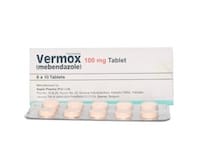
Buy Vermox Online: Compare Best Prices and Deals Today
How Much Does a Course of Vermox Cost?
Walking into a local pharmacy can feel like stepping into a high-stakes game of chance when you’re just looking for a simple course of treatment. Prices tend to fluctuate like the weather in spring. You might find a single tablet tucked away in a blister pack for a modest sum, but the real math begins when you look at the bigger picture.
Buying single tablets is a bit like buying a single slice of pizza when you know you’ll be hungry again in an hour. It’s convenient for a quick fix, but it’s rarely the most economical way to go. Most people find that the per-unit cost drops significantly once you move away from those lone, individual strips.
If you are dealing with a persistent issue, you might want to consider the bulk route. It is often the “smart money” move for anyone trying to keep their medical budget under control. Instead of paying a premium for convenience, you’re essentially paying for the peace of mind that comes with having enough medication on hand to finish the job.
Price Breakdown by Quantity
When we peel back the layers of pricing, the difference between small quantities and larger packs is quite striking. A single tablet might set you back a few dollars, which doesn’t seem like much until you realize you need a full course. It’s a classic case of “death by a thousand cuts” for your wallet.
Bulk packs are the heavy hitters in the pricing department. By purchasing larger quantities, you are effectively lowering the barrier to entry for each individual dose. It’s the difference between buying a single egg and a carton; the carton is always a better deal for your pocketbook in the long run.
To give you a clearer picture, I’ve put together a rough estimate of what you might see on the shelf or a digital storefront. Keep in mind, these figures are educated guesses based on current market trends and can shift depending on where you live or how much stock is available.
| Quantity Type | Estimated Price Range |
| Single Tablet Strip | $5 – $12 |
| Standard Course (10-20 Tablets) | $25 – $45 |
| Bulk Supply (50+ Tablets) | $60 – $110 |
Factors That Swing the Price
Why does the price jump around so much? It’s not just magic or bad luck. Several variables dance around the final total before you hit that “buy” button. One of the biggest culprits is the manufacturer itself. Brand-name products often carry a hefty premium compared to generic alternatives that do the exact same job.
The location of the pharmacy also plays a massive role in the final tally. A boutique pharmacy in a high-rent metropolitan area isn’t going to offer the same deals as a massive, warehouse-style outlet. It’s like comparing a designer boutique to a local supermarket; the product might look similar, but the price tag tells a different story.
Availability and demand can also push prices through the roof. If there is a sudden surge in demand for certain treatments, the supply might struggle to keep up. In those moments, prices can skyrocket. It is always wise to keep an eye on whether you are buying during a peak season or a lull.
- Brand vs. Generic: The “name” on the box can add a significant markup.
- Retailer Type: Big-box stores vs. local independent pharmacies.
- Stock Levels: Scarcity often leads to higher price points.
- Prescription Requirements: Some variations in packaging may change the cost.
Retail vs. Online Shipping Costs
Choosing between a physical storefront and a digital shop is a classic dilemma. A local pharmacy offers the “instant gratification” of walking out with your medicine immediately. You avoid the wait, which is a huge plus if you are in a hurry. However, you often pay a “convenience tax” for that immediate access.
Online retailers, on the other hand, often boast much lower base prices. They operate on thinner margins and higher volumes. However, don’t let those low numbers fool you into thinking the final total will be lower. You have to factor in the hidden costs that come with getting that package to your front door.
Shipping rates can be a real kicker. Some sites offer free shipping if you hit a certain threshold, which can make the deal much sweeter. Others charge a premium for express delivery. It’s a bit of a balancing act; you have to decide if saving $10 on the pills is worth spending $15 on shipping.
In many cases, the “cheaper” online option only becomes truly economical if you are buying in bulk. If you are only ordering one small strip, the shipping fees might actually make it more expensive than just walking down the street. Always check the final checkout screen before you commit your credit card.
Finding the Right Dosage for Your Needs
Getting the dosage right is not just about following instructions; it is about ensuring the medicine actually does its job. Taking too little is like trying to put out a forest fire with a water pistol. You might dampen the flames for a moment, but the fire will inevitably roar back to life once you stop.
For most adults facing intestinal parasites, the standard protocol involves a single dose or a two-day regimen. This typically means taking a specific number of tablets to ensure the parasites are thoroughly eradicated. It is a straightforward process, but you should never guess the amount. Always stick to the exact number prescribed by your healthcare professional.
The goal is to hit the “sweet spot” where the concentration of the medication in your system is high enough to be effective but low enough to minimize side effects. Overdoing it won’t kill the worms faster; it will only make you feel like you’ve been hit by a freight train. Precision is your best friend here.
Managing Pediatric Requirements
When it comes to children, the rules of the game change significantly. You cannot simply treat a small child like a miniature adult. Their bodies process medication differently, and their weight plays a massive role in how much medicine they can safely handle. It is a delicate balancing act that requires a steady hand.
Pediatric dosing is almost always weight-based. Doctors will look at your child’s current mass to calculate a precise milligram-per-kilogram ratio. This ensures that the treatment is potent enough to work but gentle enough for a developing system. It is better to be cautious than to risk toxicity in a little one.
Parents often feel nervous about administering medication to their kids. You might worry about them spitting it out or losing a pill under the sofa. However, the most important thing is ensuring they actually ingest the full amount. If the dose isn’t fully taken, the treatment might fail entirely, leaving the problem unresolved.
Always consult a pediatrician before administering any dose to a child. They will provide a specific schedule tailored to your child’s age and weight. Never attempt to “eyeball” a dose for a toddler. In the world of medicine, “close enough” is rarely good enough, especially when dealing with something as sensitive as a child’s health.
The Danger of Stopping Early
One of the most common mistakes people make is stopping their treatment the moment they feel better. You might experience a sudden surge in energy or a disappearance of stomach cramps, and think you are in the clear. However, this is often a trap. You might have killed the adults, but the eggs could still be lingering.
Completing the full treatment cycle is non-negotiable. Think of it like cleaning a kitchen after a big dinner. You might wipe up the visible crumbs and feel like the job is done, but if you don’t clean the grease under the stove, the pests will be back before you know it. Consistency is the key to total eradication.
If you skip doses or cut the cycle short, you risk creating a cycle of reinfection. This not only prolongs your discomfort but can also lead to more stubborn, resistant parasites. It is much easier to finish the course once than to have to start the whole ordeal over again in a month.
Treat the schedule as a sacred contract between you and your recovery. Even if you feel like a superhero on day three, keep taking the medication exactly as directed. The finish line is only reached when the final pill in the pack is gone. Don’t let the parasites win by being impatient.
Timing and Food Intake Nuances
Timing can make or break your treatment’s effectiveness. Many people assume that when you take the medicine doesn’t matter, but the presence of food in your stomach can act like a shield for the parasites. Some medications work best on an empty stomach, while others need a bit of fat to help absorption.
A common blunder is taking your dose with a massive, greasy meal when the instructions suggest otherwise. This can actually prevent the medication from reaching the necessary levels in your bloodstream. On the flip side, taking it on a completely empty stomach might cause nausea that makes you want to quit the treatment altogether.
The “when” is just as important as the “how much.” If you are supposed to take a dose every 24 hours, try to do it at the same time each day. This keeps a steady level of the drug in your system, preventing the “peaks and valleys” that can lead to incomplete treatment.
Below is a comparison of different ways to manage your treatment costs depending on how you choose to source your supplies:
| Supply Option | Estimated Cost | Best For |
|---|---|---|
| Single Dose Pack | $15 – $25 | Immediate, one-time needs |
| Family Multi-Pack | $45 – $70 | Household-wide treatment |
| Bulk Monthly Supply | $90 – $150 | Chronic or recurring issues |
Keep these common errors in mind to ensure your journey to wellness is as smooth as possible:
- The “Feeling Better” Trap: Stopping medication before the full course is finished.
- The Food Factor: Taking doses with heavy meals when absorption requires an empty stomach.
- The Timing Slip: Inconsistent dosing times that disrupt the drug’s concentration levels.
- The Double-Up: Trying to “catch up” on a missed dose by taking twice as much at once.
Where to Buy Vermox Safely and Securely
Navigating the digital pharmacy landscape can feel like walking through a minefield without a map. One moment you are looking for a simple solution to a health issue, and the next, you are staring at a shady website offering “miracle” prices. It is vital to distinguish between a legitimate online pharmacy and a risky marketplace that operates in the shadows.
Reputable pharmacies are transparent about their physical location and their licensing. They don’t hide behind a curtain of anonymity or use aggressive, high-pressure sales tactics. If a site looks like it was designed in 1998 and only accepts untraceable payments, you should run the other way. Trust your gut; if something feels fishy, it usually is.
Legitimate retailers will always prioritize your safety over a quick buck. They are willing to take the time to verify your details because they operate within the bounds of the law. On the contrary, rogue marketplaces often peddle counterfeit products that contain nothing more than chalk or, worse, toxic fillers that could jeopardize your health.
Verifying Medication Authenticity
Once you have found a site that seems legitimate, the real detective work begins. You cannot simply take a website’s word for it; you must verify their credentials yourself. Look for signs of official accreditation, such as the VIPPS (Verified Internet Pharmacy Practice Sites) seal or equivalent regulatory marks in your specific region.
When your package finally arrives, don’t just toss the box aside. Inspect the packaging for any signs of tampering, such as broken seals or dented corners. The medication itself should have clear, legible printing on the blister pack or bottle, including the manufacturer’s name, the batch number, and an expiration date that is clearly visible.
If the pills look different from what your doctor described, or if the texture seems off, do not take them. A slight variation in color is sometimes normal between different manufacturing runs, but significant changes are a major red flag. When in doubt, it is better to be safe and consult your pharmacist rather than taking a gamble.
The Necessity of a Prescription
One of the most significant dividers between a safe pharmacy and a dangerous one is the prescription requirement. Any site that offers to sell you Vermox without asking for a valid prescription from a licensed healthcare provider is a massive red flag. They are essentially bypassing the safety checks designed to protect you.
A prescription isn’t just a piece of paper; it is a professional’s seal of approval. It ensures that the medication is appropriate for your specific health profile and that you aren’t accidentally taking something that will interact poorly with other supplements or drugs. Skipping this step is like driving a car without checking the brakes before hitting the highway.
Legitimate pharmacies will have a streamlined process for you to upload your prescription or have it sent over by your doctor. If a site makes it too easy to skip the medical consultation, they are likely ignoring the risks associated with self-medication. Always follow the legal and medical protocols to ensure your treatment is both safe and effective.
Reading Reviews for Shipping Reliability
Even if the medicine is real, getting it to your doorstep safely is a different challenge entirely. Customer reviews are your best window into the actual experience of other buyers. However, you must learn to read between the lines. A single disgruntled user might just be having a bad day, but a pattern of complaints is a warning.
Pay close attention to comments regarding the “delivery window” and “packaging integrity.” If multiple users report that their orders arrived weeks late or that the boxes were crushed and opened, that pharmacy is not reliable. You want a provider that treats your shipment with the same respect they would treat a fragile glass ornament.
Look for specific details in reviews rather than vague praise. A review that says, “The package arrived in three days, perfectly sealed and tracked,” is far more valuable than one that simply says, “Great service!” Use these insights to build a profile of the vendor. It’s better to spend an extra $10 on a reliable shipper than to lose $50 on a package that never shows up.
Shipping Logistics and Delivery Expectations
Timing Your Arrival
When you finally click that “order” button, the clock starts ticking. Most reputable pharmacies offer a choice between standard and expedited shipping. Standard shipping is the slow and steady turtle of the logistics world, often taking 7 to 14 business days to arrive. It is the budget-friendly choice for those who aren’t in a massive rush.
If you find yourself in a pinch, expedited shipping is your best friend. This premium service acts like a fast-pass at a theme park, cutting the wait time down to just 2 or 3 business days. While it might cost an extra $15 to $25, the peace of mind that comes with knowing your medication is on its way is often worth the premium.
Keep in mind that “business days” are not the same as calendar days. Weekends and public holidays are essentially invisible to the postal service, so don’t expect a delivery on a Sunday afternoon. It is wise to plan your refills a week or two before you run dry to avoid any stressful, last-minute scrambles.
A clear timeline helps manage your expectations. If a provider makes grand promises about “overnight delivery” without offering a real way to track it, take a step back. Real logistics are predictable, but they aren’t magic. Always check the estimated arrival window before you finalize your checkout to avoid any nasty surprises.
Preserving Medication Integrity
Temperature control is the unsung hero of pharmaceutical logistics. Even though Vermox is relatively stable, extreme heat can turn a potent medication into a useless pile of chemicals. Professional shippers use specialized packaging to act as a shield against the scorching sun or freezing winter winds that can occur during transit.
You will likely see your order arrive in a double-layered box. The inner container holds the actual medicine, while the outer layer provides a buffer of air or insulating material. This setup is designed to keep the internal environment steady, much like a high-end cooler keeps your drinks icy during a summer barbecue.
If you live in a particularly harsh climate, you might even see thermal liners or gel packs included in the shipment. These aren’t just extra weight; they are vital tools for ensuring the pills remain effective. When the package arrives, check the contents immediately to ensure everything looks exactly as it should have.
If you notice any signs of melting or extreme condensation inside the package, contact the pharmacy immediately. It is better to be cautious than to ingest something that has been compromised by heat. A $40 order is not worth the risk of taking degraded medication that might not work as intended.
Tracking Your Journey
Gone are the days of staring out the window waiting for a delivery truck. Modern logistics allow you to watch your package move across the map in real-time. Once the warehouse processes your order, you should receive a tracking number via email, turning the “black hole” of shipping into a transparent journey.
Tracking allows you to see exactly when your package leaves the warehouse, hits the regional sorting facility, and finally reaches your local post office. It’s like having a digital breadcrumb trail that leads straight to your front door. If the tracking status hasn’t updated in several days, it is a signal to reach out to support.
Commonly used tracking methods include:
- Standard Carrier Tracking: Updates every 12-24 hours through the main postal service.
- Express Courier Tracking: Provides much more frequent, granular updates for high-priority shipments.
- Email Notifications: Automated alerts that tell you when your package is “Out for Delivery.”
Don’t be a stranger to the tracking portal. Checking it once a day can save you a lot of frustration if a delivery attempt was made while you were out. Knowing exactly when to expect the courier means you won’t be playing a game of hide-and-seek with your own medicine.
International Borders and Duties
Crossing international borders is where things can get a little murky. If you are ordering from a pharmacy located in a different country, your package might be subject to customs inspections. This is a standard procedure, but it can sometimes lead to unexpected delays that push your delivery window back significantly.
You must also be prepared for the possibility of import duties or taxes. Depending on your local laws, the government might charge a fee before they release your package for final delivery. These costs are rarely included in the initial checkout price and are typically the responsibility of the recipient upon arrival.
To avoid being blindsided, keep this quick comparison in mind:
| Shipping Type | Customs Risk | Typical Extra Cost |
| Domestic | Very Low | $0 |
| International | Moderate | $10 – $50+ |
Before you commit to an international order, do a little digging into your local customs regulations. It’s better to know the rules of the road before you start driving. A little bit of homework can save you from a situation where your package is sitting in a warehouse, waiting for a fee you didn’t expect.
Vermox vs. Other Deworming Alternatives
Choosing the right treatment is rarely a simple “plug and play” situation. While Vermox stands as a household name, the market is crowded with various options that might seem identical at first glance. It is not just about finding the cheapest pill on the shelf; it is about finding the right tool for the specific job at hand.
Think of it like choosing a wrench for a DIY project. You might grab whatever is lying around, but the wrong size can strip the bolt and cause a massive headache. In the world of parasitology, using the wrong active ingredient can mean the difference between a quick recovery and a lingering, frustrating infection.
Before you reach for the first bottle you see, you need to understand the chemistry behind the cure. Different medications target different life stages of parasites. Some are heavy hitters designed to wipe out an entire colony, while others are more surgical, focusing on specific species without causing unnecessary systemic stress.
Understanding these nuances helps you navigate the pharmacy aisle with confidence. You shouldn’t have to play a guessing game with your health or the health of your family members. Let’s dive into how the primary players in the deworming space actually stack up against one another in the real world.
Comparing Active Ingredients
The star of the show in Vermox is mebendazole, a broad-spectrum anthelmintic. This ingredient works by interfering with the parasite’s ability to absorb glucose. Without fuel, the worms essentially starve to death inside the digestive tract. It is a reliable, well-tested mechanism that has been the gold standard for decades.
On the other side of the ring, you will often find albendazole. While it is a close cousin to mebendazole, it has a slightly different profile. It is often considered more “aggressive” because it is more easily absorbed into the bloodstream, which allows it to tackle certain systemic infections that mebendazole might miss entirely.
Then there is pamoate, often found in specialized formulations for specific intestinal issues. It stays largely within the gut, which is great for localized problems but less effective if the infection has migrated elsewhere. It is like using a local hammer when you really needed a sledgehammer for a much larger problem.
To make things clearer, look at how these ingredients behave in a side-by-side scenario:
| Active Ingredient | Primary Target | Absorption Level |
| Mebendazole (Vermox) | Intestinal Worms | Low (Stays in Gut) |
| Albendazole | Systemic & Intestinal | Moderate to High |
| Pamoate | Specific Intestinal | Very Low |
Efficiency and Success Rates
When it comes to efficiency, Vermox is a heavyweight champion for common threadworms and roundworms. In clinical observations, it boasts an incredibly high success rate, often exceeding 90% for standard pinworm infestations. It is the “old reliable” that doctors reach for when they know exactly what they are fighting.
However, “efficiency” is a relative term. If you are dealing with a more stubborn, systemic parasitic load, a generic mebendazole might feel like bringing a knife to a gunfight. In those cases, the higher absorption rate of an alternative like albendazole makes it significantly more effective at clearing the body completely.
It is also important to consider the “re-infection” factor. Even the most efficient drug won’t work if you’re constantly being re-exposed. Many patients find that they need a follow-up dose to catch any survivors that were in the egg stage during the first round of treatment.
Consider these typical effectiveness patterns:
- Threadworms: Extremely high efficacy with Vermox.
- Roundworms: Very reliable, especially with a consistent dosing schedule.
- Systemic Infections: Requires more aggressive, high-absorption alternatives.
Cost and Value Analysis
Price is always a major factor when you are standing at the pharmacy counter. You will notice that Vermox carries a premium price tag, often ranging from $15 to $30 for a standard course. You are paying for the brand name, the rigorous quality control, and the peace of mind that comes with a trusted label.
Generic versions of mebendazole can be a real steal, sometimes costing as little as $5 to $12. If you are on a tight budget, these generics can be a lifesaver. However, don’t assume they are “inferior” just because they are cheaper; they contain the exact same active molecule as the brand-name version.
The real “cost” comes when a cheap generic fails to clear the infection. If you have to buy three rounds of a $5 generic because it wasn’t potent enough, you’ve spent $15—the same as one dose of Vermox. In that light, the “expensive” option actually becomes the more economical choice in the long run.
When weighing your options, keep this simple rule of thumb in mind:
- Low Risk/Simple Infection: Generics offer incredible value.
- Complex/Recurrent Infection: The premium for Vermox is often worth it.
- Uncertainty: Stick to the brand name to avoid wasting money on ineffective doses.
When to Seek Alternatives
A doctor might suggest moving away from Vermox if your symptoms don’t clear up after the recommended course. If you feel just as lousy after the pills as you did before, it is a sign that the specific parasite in your system might be resistant or located in a place where mebendazole can’t reach.
Doctors also look at your overall health profile. If you have a compromised immune system or are pregnant, the “standard” choice might be off the table. In these delicate situations, the physician will pivot to a more controlled, perhaps more specialized, medication to ensure safety above all else.
Sometimes, the issue isn’t the drug, but the delivery method. For younger children who struggle with swallowing pills, a liquid alternative or a different formulation might be suggested. It’s not about the medicine being “wrong,” but about making the treatment as painless as possible for the patient.
Always listen to the professional. If a doctor tells you to skip the Vermox and try something else, don’t try to be a hero by sticking to your original plan. They are looking at the big picture, including your medical history and the specific nuances of your current symptoms.
Navigating Potential Side Effects and Reactions
Most people find the experience of taking Vermox to be relatively smooth sailing. However, no medicine is a magic wand that works without a trace of impact on your body. It is quite common to feel a bit “off” as the medication begins its work, much like a storm clearing the air.
Mild gastrointestinal hiccups are the most frequent visitors on the side effect guest list. You might experience some nagging abdominal cramps or a sense of nausea that makes lunch feel like a chore. These are usually just the body’s way of processing the change occurring within your digestive tract.
Some individuals might also notice a slight loss of appetite or occasional diarrhea. Think of these as minor bumps in the road rather than a complete breakdown of the engine. In most cases, these discomforts are fleeting and vanish once the treatment cycle is successfully completed.
If you find these sensations particularly bothersome, consider these management strategies:
- Take the medication with food to buffer your stomach lining.
- Stay well-hydrated to counteract any mild diarrhea or nausea.
- Rest as needed; your body is working hard to clear the infection.
Red Flags and Urgent Warnings
While mild discomfort is a common companion, you must keep a sharp eye out for the “red flags.” Sometimes, the body reacts more aggressively than expected. It is vital to distinguish between a minor stomach ache and a serious systemic reaction that requires immediate medical intervention.
If you experience any signs of an allergic reaction, do not wait. This could include a sudden, itchy skin rash, swelling of the face or throat, or difficulty breathing. These symptoms are not just “annoying”; they are medical emergencies that require a trip to the emergency room immediately.
Severe abdominal pain is another signal that you should pick up the phone and call your doctor. While cramping is normal, sharp, intense, or persistent pain is a different beast entirely. If the pain feels like it is “tearing” or is accompanied by a high fever, treat it with utmost seriousness.
When to seek immediate help:
- Hives or swelling: Indicates a potential allergic response.
- Shortness of breath: A critical sign of respiratory distress.
- Severe, persistent pain: Could indicate a complication beyond simple cramping.
Managing Your Recovery Period
Navigating the days during and after treatment requires a bit of patience and some common-sense care. You shouldn’t feel the need to run a marathon, but you shouldn’t ignore your body’s signals either. It is a balancing act of staying comfortable while letting the medicine do its heavy lifting.
Managing nausea often comes down to what you put on your plate. Stick to bland, easily digestible foods like toast, rice, or bananas if your stomach feels a bit rebellious. Avoiding heavy, greasy, or highly spicy meals can prevent the “fire” in your gut from flaring up further.
Hydration is your best friend during this phase. If you encounter any loose stools, you need to replenish your fluids to avoid feeling lightheaded or fatigued. Sips of water, clear broths, or electrolyte-rich drinks are much better than gulping down heavy juices or sodas.
It is also wise to monitor your symptoms in a simple journal. If you feel a sudden change, knowing exactly when it started can be incredibly helpful when you speak to a healthcare professional. This data helps them determine if you are recovering or if the medication is causing issues.
Special Considerations for Pregnancy and Nursing
When it comes to pregnancy and breastfeeding, the rule of thumb is “caution first.” While the absorption of mebendazole into the bloodstream is generally quite low, we never want to take any risks when it comes to developing life. It is a delicate dance between treating an infection and protecting a little one.
Medical professionals generally advise against using Vermox if you are pregnant or planning to become pregnant in the very near future. If you discover you are pregnant while undergoing a course, contact your doctor immediately. They will weigh the risks of the parasite against the risks of the medication.
For nursing mothers, the conversation is similar. While much of the drug stays in your digestive tract, the idea of any amount passing into breast milk is something doctors take seriously. It is better to be safe than sorry; always get a professional’s green light before proceeding.
If you fall into these categories, keep this checklist in mind:
- Always disclose: Tell your doctor your pregnancy or nursing status upfront.
- Consultation is key: Never self-medicate if you are expecting or nursing.
- Alternative options: Ask if there are safer, non-systemic ways to manage the issue.
Contact & directions
Address:
2717 West Olympic Boulevard,
Los Angeles, CA 90006, USA