
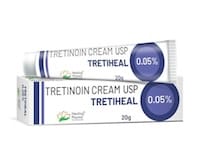
Buy Tretinoin Cream Online for Best Results
How Tretinoin Cream Works on Your Skin
Think of your skin as a busy construction site where cells are constantly being swapped out. Normally, the process of shedding old skin and bringing new cells to the surface follows a slow, rhythmic dance. As time marches on, this natural cycle can lose its beat, leaving dead cells to linger on the surface like uncollected debris.
Tretinoin steps in like a high-speed foreman to jumpstart that chaotic site. It communicates directly with your cell receptors, essentially shouting orders to speed up the rate of cell turnover. Instead of waiting weeks for a natural refresh, your skin begins to cycle through its layers much faster than it did before.
By accelerating this process, the cream ensures that fresh skin arrives at the surface much sooner. This rapid turnover helps prevent pores from becoming clogged by old debris, which is often the root cause of stubborn breakouts. It isn’t just a surface-level fix; it is a fundamental shift in how your skin operates.
The Cellular Reset Button
When you first apply the cream, you might feel like you are fighting a losing battle against redness or dryness. This is often the skin’s way of protesting the sudden change in pace. It is a period of adjustment where the skin’s barrier is essentially recalibrating its own internal clock to match a new, faster tempo.
The magic happens deep within the epidermis. Tretinoin stimulates the production of collagen, which acts as the scaffolding for your face. As those collagen fibers thicken and strengthen, the skin begins to look more resilient. It is like reinforcing the foundation of a house to prevent cracks from appearing in the walls over time.
You might notice that fine lines begin to soften, almost as if they are being ironed out from the inside out. This isn’t an overnight miracle, but rather a steady, relentless push against the signs of aging. It demands patience, as the most significant transformations usually reveal themselves after several months of consistent application.
To get the most out of this biological overhaul, keep in mind these key mechanisms:
- Accelerated Turnover: Speeds up the migration of new cells to the skin’s surface.
- Collagen Synthesis: Encourages the body to build more structural proteins.
- Pore Decongestion: Prevents the buildup of sebum and dead skin cells.
- Melanin Regulation: Helps to even out hyperpigmentation by normalizing pigment production.
Visualizing the Transformation
If you were to look at a microscopic view of your skin, the difference would be stark. Without intervention, the surface looks uneven and stagnant. With the help of a retinoid, the layers appear more organized, much like a well-oiled machine rather than a pile of loose parts scattered across a workshop floor.
Below is a simplified breakdown of how your skin’s behavior changes during a typical treatment cycle:
| Phase | Skin Behavior | Visual Result |
| Initial (Weeks 1-4) | Increased sensitivity and peeling | Redness or “purging” |
| Intermediate (Months 2-4) | Stabilized turnover and collagen boost | Smoother texture and clearer pores |
| Maintenance (Month 6+) | Consistent, rapid cell renewal | Reduced fine lines and even tone |
Consistency is your best friend here. Skipping nights might feel like a way to avoid irritation, but it actually disrupts the rhythm the skin is trying to establish. Think of it like training for a marathon; you cannot simply run once a month and expect to see professional results.
Choosing Your Strength and Concentration
Walking into a pharmacy or browsing a skincare site can feel like trying to read a map in a thunderstorm. You see a dizzying array of percentages, from 0.025% to 0.1%, and wonder if you should start with a whisper or a shout. It is a delicate balancing act between efficacy and irritation.
If you jump into the deep end with a high concentration too quickly, your face might end up looking like a piece of parchment paper. This “retinoid burn” is a common mistake that drives many people to quit before they ever see a single benefit. It is better to start slow and steady.
Think of strength as a volume knob for your skin’s biological processes. A lower concentration turns the music down, allowing your complexion to get used to the rhythm. As your tolerance grows, you can slowly turn the knob up to achieve those dramatic, anti-aging results you are chasing.
Navigating the Percentage Spectrum
The 0.025% concentration is often the “training wheels” of the tretinoin world. It is incredibly gentle and works as a perfect introduction for those with sensitive skin or those who have never used a retinoid. It allows your skin to acclimate without the immediate fear of excessive peeling.
Moving up to 0.05% is where many people find their “sweet spot.” It offers a more robust punch to fine lines and acne, providing a significant jump in performance. It is the middle ground that offers a balance between clinical strength and manageable side effects for most users.
For the seasoned veteran, the 0.1% concentration is the heavy hitter. This is the highest strength available and should only be used if your skin has already proven it can handle the lower doses. It is a potent tool designed to tackle deep wrinkles and severe congestion with precision.
When deciding which level is right for you, consider these general guidelines:
- Beginners: Start with 0.025% to minimize the initial inflammatory response.
- Acne-Prone Skin: Often benefits from 0.05% to keep pores clear of debris.
- Mature Skin: May require 0.05% or 0.1% to stimulate significant collagen.
- Sensitive Skin: Always test a small patch before full facial application.
The following table provides a general idea of how different strengths might impact your monthly budget depending on the provider.
| Concentration Level | Typical Monthly Cost | Prescription Type |
|---|---|---|
| 0.025% Cream | $25 | Standard |
| 0.05% Cream | $40 | Standard |
| 0.1% Cream | $55 | Advanced |
| Custom Compounded | $85 | Specialized |
Texture and Base Matters
It isn’t just about the percentage; the “vehicle” or base of the cream matters immensely. Some people find that a thick, heavy cream provides a protective layer that reduces dryness. Others prefer a lightweight gel that absorbs instantly without leaving a greasy residue on their pillowcase.
If your skin feels like a desert after application, you might need a cream-based formula. However, if you are prone to breakouts, a gel might be your best friend. The way the medicine is delivered can change how your skin reacts to the active ingredient itself.
Don’t be afraid to switch your vehicle if your skin’s needs change. You might start with a gel to fight active acne, but as your skin matures and dries out, a rich cream might become your new best friend. Skin is dynamic, and your products should be too.
Cost Analysis and Price Comparison
Budgeting for a skincare routine can feel like trying to hit a moving target. While many people view tretinoin as a luxury, it is actually one of the most cost-effective tools in your arsenal. When you break down the cost per application, it often pales in comparison to high-end department store serums.
However, the sticker price is rarely the whole story. You have to account for the “hidden” costs that come with using a powerful retinoid. If you don’t invest in a solid moisturizer and a broad-spectrum sunscreen, you might find yourself spending much more on repairing irritation than you ever intended.
Think of your budget like a garden. You can buy the most expensive seeds, but if you don’t invest in the soil and water, nothing will grow. In this case, the “water” is your hydration routine, and the “soil” is the healthy barrier you must maintain throughout your journey.
The Prescription Landscape
When you walk into a traditional pharmacy, you might see a price tag that makes you do a double-take. Retail prescriptions can sometimes feel like a gut punch to your wallet. This is often due to the administrative overhead and the specific brand-name formulations that pharmacies carry in stock.
If you want to keep your spending in check, many people turn to online prescription services. These platforms act as a middleman, often providing much more competitive rates by cutting out the brick-and-mortar storefront. It is a digital shortcut that many savvy users swear by.
Another route is through compounded pharmacies. These specialists mix the medication to your exact specifications, which can be a lifesaver for those who need a specific concentration. While the upfront cost is higher, the ability to customize your formula can save you money on failed products.
Consider these common avenues for obtaining your prescription:
- Traditional Pharmacy: Convenient and immediate, but often the most expensive option.
- Online Telehealth: Highly affordable and convenient, but requires a digital consultation.
- Compounding Pharmacy: Best for custom needs, though costs can vary significantly.
- Insurance Coverage: Check your plan; many cover tretinoin as a standard dermatological necessity.
Comparing the Price Tags
Let’s get down to the brass tacks of what you might actually see on your monthly statement. Prices can fluctuate like the tides depending on your location and the provider you choose. It is wise to shop around before committing to a single source for your supply.
Some users find that buying in larger quantities, such as a three-month supply, can drive the per-month price down significantly. It is a bit like buying in bulk at a warehouse club; you pay more upfront, but the long-term savings are quite substantial.
I once knew a client who spent nearly $150 a month on “boutique” retinoids that had a much lower concentration. Once she switched to a prescription-strength tretinoin through a telehealth provider, her monthly cost dropped to under $30. That is a massive win for any skincare budget.
To give you a clearer picture, I have outlined some common price points below:
| Provider Type | Estimated Monthly Cost | Key Benefit |
| Local Retail Pharmacy | $45 – $70 | Immediate pickup |
| Online Telehealth | $20 – $40 | Most budget-friendly |
| Compounded Pharmacy | $60 – $100 | Customized strength |
| Luxury Brand Retinoids | $90 – $200 | High-end packaging/feel |
Navigating the Purchase Process
Securing Your Prescription
Getting a prescription for tretinoin isn’t as simple as picking up a loaf of bread at the corner store. Since it is a potent medical-grade ingredient, you must first establish a relationship with a healthcare professional. This step is the gatekeeper to your skincare goals, ensuring you aren’t just throwing money into a void.
Most people start with a visit to their primary care physician or a local dermatologist. While this is the traditional route, it can sometimes feel like a slow crawl through heavy traffic. You might wait weeks for an appointment just to receive a piece of paper that dictates your skin’s future.
The modern way to handle this is through telehealth platforms. These services have revolutionized the game, allowing you to consult with a licensed provider from the comfort of your own couch. It’s a streamlined, digital-first approach that removes much of the friction typically associated with medical consultations.
Once you have that golden ticket—your prescription—the real logistics begin. You have to decide whether to send it to a local drugstore or use a mail-order service. Each choice carries its own set of perks and potential headaches, so weigh your options carefully before making a move.
The Logistics of Fulfillment
Fulfillment is where the rubber meets the road in your purchasing journey. If you choose a local pharmacy, you might find yourself standing in line, waiting for a pharmacist to process your order. It is convenient if you need it today, but it can be a bit of a hassle.
Mail-order services, on the other hand, are like a silent butler for your vanity. They arrive at your doorstep, tucked away in discreet packaging. While you might wait a few days for delivery, the convenience factor is hard to beat when you are juggling a busy life.
I remember a friend who used to drive across town to pick up her prescription because she thought it was cheaper. After looking at the gas prices and the time spent in traffic, she realized she was losing money. She switched to a subscription-based online service and saved both time and cash.
When choosing a fulfillment method, keep these logistical factors in mind:
- Speed of Delivery: How quickly can you start your new routine?
- Shipping Costs: Does the low price of the cream get eaten up by high freight fees?
- Privacy: Do you prefer discreet, unbranded packaging for your deliveries?
- Subscription Options: Can you set it to auto-refill so you never run dry?
Verifying Authenticity and Quality
In the digital age, the internet can feel like a wild frontier. You might stumble upon a website offering “tretinoin” at a price that seems too good to be true. Always remember the old adage: if it looks too good to be true, it probably is. Counterfeit products are a real danger.
Always verify that the provider is legitimate and that the medication is coming from a reputable, licensed pharmacy. You don’t want to be experimenting with “miracle creams” that contain nothing but cheap fillers or, worse, dangerous contaminants. Your skin barrier is too precious to gamble with.
Checking reviews and looking for accreditation is not just being picky; it is being smart. A reputable provider will be transparent about their sourcing and their medical staff. They won’t shy away from questions about how your prescription is being handled or verified.
To help you navigate the various ways to buy, consider these common scenarios:
| Scenario | Likely Outcome | Risk Level |
| Buying from an unverified website | High risk of counterfeit products | Very High |
| Using a licensed telehealth service | Consistent, verified medication | Low |
| Picking up from a local retail chain | Guaranteed authenticity and speed | Very Low |
Daily Application and Dosage Protocols
Mastering the Art of Application
Think of your skin like a delicate silk fabric. If you dump a whole bucket of dye on it at once, you’ll ruin the texture. Tretinoin is no different. You must approach your nighttime routine with the precision of a master painter using a tiny, fine-tipped brush.
Start by washing your face with a gentle, non-stripping cleanser. Pat your skin completely dry. If you apply the cream to damp skin, it acts like a sponge, pulling the medication too deep, too fast. This is a recipe for a burning sensation that will make you want to quit.
A common mistake is using a dollop the size of a grape. That is way too much. Instead, aim for a pea-sized amount. This tiny amount should cover your entire face. Spreading it too thick is like trying to run a marathon without training; you will surely crash and burn.
I once watched a neighbor attempt the “more is better” philosophy. Within three days, her face looked like a piece of cracked desert earth. She had skipped the “slow and steady” rule entirely. Learning to be frugal with this cream is the secret to long-term success.
Building Your Tolerance
You shouldn’t dive into the deep end of the pool on day one. Most dermatologists suggest a “sandwich technique” if your skin is sensitive. Apply moisturizer, then your tretinoin, then another layer of moisturizer. It sounds like a lot of steps, but it acts as a protective buffer.
Frequency is the name of the game. Start by applying it only twice a week. If your skin doesn’t revolt, you can move to every other night. Eventually, you might reach nightly application, but there is no prize for rushing the process. Patience is your best friend here.
Keep a close eye on redness and flaking. A little peeling is normal, like a mild sunburn, but intense stinging is a red flag. If your skin feels like it is on fire, scale back immediately. It is much better to slow down than to completely halt your progress.
Consider this general schedule as a starting point for your journey:
- Weeks 1-2: Use twice a week to test the waters.
- Weeks 3-4: Move to every other night if tolerated.
- Month 2+: Transition to nightly application if your skin is stable.
Dosage and Product Management
The strength of your prescription matters immensely. Whether you are using 0.025%, 0.05%, or 0.1%, the potency is significant. A higher percentage isn’t always better; it just means you might encounter more side effects. Always follow the specific concentration your doctor has prescribed.
Consistency is the bedrock of results. Skipping nights might seem easier, but it disrupts the cellular turnover process you are trying to encourage. Think of it like training for a race; you can’t just show up once a month and expect to win the gold medal.
Keep your cream in a cool, dark place. Heat and sunlight are the enemies of stability. If you leave your tube on a sunny windowsill, you are essentially throwing your money down the drain. A well-kept tube can last months, but only if treated with respect.
To keep your budget in check, keep an eye on these average monthly costs for various concentrations:
| Concentration | Expected Monthly Cost | Potency Level |
| 0.025% Cream | $25 – $40 | Low to Moderate |
| 0.05% Cream | $30 – $55 | Moderate to High |
| 0.1% Cream | $40 – $70 | Very High |
Managing Side Effects and Skin Purging
Navigating the Purging Phase
Prepare yourself for the “purging” period, which is often the most daunting part of the journey. Think of it as a deep spring cleaning for your pores. As the tretinoin accelerates cellular turnover, it pushes all the underlying congestion, debris, and oil to the surface all at once.
You might see a sudden influx of breakouts, whiteheads, or small bumps. It feels counterintuitive to use an acne treatment that seems to cause more acne, but this is actually a sign that the medicine is working. It is effectively dredging up the “trash” that was hiding deep within your skin.
This phase typically lasts anywhere from four to six weeks. I once had a client who almost threw her entire expensive skincare collection in the bin because she panicked during week three. If you can weather this storm, the clearer, smoother skin on the other side is well worth the temporary discomfort.
To minimize the chaos during this transition, try these simple steps:
- Avoid picking or squeezing any new blemishes, as this leads to scarring.
- Use a gentle, non-comedogenic moisturizer to keep the skin barrier intact.
- Stick to a very basic routine; don’t introduce new, aggressive exfoliants.
- Stay hydrated to help your body manage the systemic changes.
Taming Irritation and Dryness
Redness, flaking, and dryness are the “uninvited guests” of the tretinoin experience. Your skin might start to feel tight, almost as if it has shrunk. This happens because the medication is rapidly renewing the top layers of your epidermis, leaving the new skin underneath feeling quite vulnerable.
When your skin feels like a parched desert, do not reach for a heavy, greasy balm containing high amounts of oils. While it sounds comforting, it can sometimes clog pores or trap too much heat. Instead, look for ceramides and hyaluronic acid to rebuild that protective moisture barrier effectively.
If you notice intense stinging or peeling that looks like a sunburn, you are likely overdoing it. It is a common pitfall to think that “more” means “faster results.” In reality, forcing the process only leads to inflammation, which can actually cause hyperpigmentation in certain skin types.
If you find yourself struggling with extreme dryness, consider these product categories to help soothe the irritation:
| Product Type | Primary Benefit | Estimated Price |
| Ceramide-Rich Cream | Restores the skin barrier | $15 – $35 |
| Hyaluronic Acid Serum | Hydrates without heaviness | $10 – $30 |
| Gentle Cleanser | Removes debris without stripping | $8 – $25 |
When to Seek Professional Advice
While most side effects are a normal part of the adaptation process, you must listen to your body. There is a fine line between “active skin” and “damaged skin.” If you notice weeping sores, intense swelling, or widespread hives, you should stop using the product immediately.
Sometimes, what feels like a simple reaction is actually an allergic response or a contact dermatitis. If the redness doesn’t subside after you skip a few nights of application, it is time to pick up the phone. A dermatologist can determine if you need a different concentration or a different delivery method.
Do not be afraid to ask your doctor for a “reset” period. Sometimes, the best way to move forward is to take a week off to let your skin heal. It is not a failure; it is a strategic pause to ensure your long-term success and skin health.
Tretinoin vs. Retinol: The Real Differences
Strength and Potency
Think of the difference between these two like the difference between a leisurely stroll in the park and a high-intensity sprint. Retinol is a gentle, over-the-counter option that your skin can digest quite easily. It is the “training wheels” of the anti-aging world, designed to introduce Vitamin A to your face without causing a total meltdown.
Tretinoin, however, is the heavyweight champion in the ring. It is a pure form of retinoic acid, meaning it doesn’t need to undergo any conversion steps once it hits your skin. It goes straight to work on your cellular turnover, making it significantly more potent and effective for stubborn acne or deep wrinkles.
Because of this immediate impact, tretinoin is a prescription-only powerhouse. You cannot simply pick it up off a drugstore shelf next to the face wash. You need a professional to assess whether your skin can handle the intensity, as jumping straight into high-strength tretinoin is like trying to run a marathon without any warm-up.
When deciding which path to take, consider your skin’s current tolerance level:
- Retinol: Ideal for beginners or those with sensitive skin types.
- Retinoid (Adapalene): A middle ground often used for acne.
- Tretinoin: The gold standard for rapid anti-aging and severe acne.
Conversion and Biological Action
Your skin is a busy factory, and Vitamin A is its most important worker. Retinol arrives at the factory gate and must be converted into retinoic acid through several intermediate steps. This conversion process is slow, which is why you might not see a dramatic change for several months of consistent use.
Tretinoin skips the middleman entirely. It arrives at the factory already in its final, active form, ready to direct skin cells to regenerate immediately. This “direct route” is exactly why it works so much faster, but it is also why the side effects can feel a bit more aggressive during the initial weeks.
I once spoke with a woman who had used retinol for years with great success. When she switched to tretinoin, she thought she was having an allergic reaction because her skin reacted so differently. It wasn’t an allergy; it was simply the biological reality of a much more efficient chemical signal hitting her pores.
The following table highlights the biological differences between these two popular options:
| Feature | Retinol | Tretinoin |
| Availability | Over-the-counter | Prescription only |
| Conversion Steps | Multiple steps required | Zero steps (direct) |
| Speed of Results | Slow and steady | Rapid and intense |
The Financial Investment
When you look at your skincare budget, the price tag can be a major deciding factor. Retinol is incredibly accessible and budget-friendly. You can find high-quality drugstore serums that cost as little as $15 to $25, making it a very low-risk entry point for those just starting their skincare journey.
Tretinoin is a different beast entirely when it comes to your wallet. Because it is a controlled medication, the cost can fluctuate depending on whether you are buying brand-name tubes or using a compounding pharmacy. While generic options can help, you should still expect to pay a premium for the clinical strength provided.
If you are on a tight budget, starting with a low-cost retinol can help you build tolerance. However, if you have a specific goal, like treating melasma or deep fine lines, you might find that investing more in a prescription is the most efficient way to reach your skin goals without wasting money on ineffective products.
Typical price ranges for these products include:
| Product Category | Typical Price Range |
| Standard Retinol Serum | $15 – $40 |
| Prescription Tretinoin | $30 – $80 |
Contact & directions
Address:
2717 West Olympic Boulevard,
Los Angeles, CA 90006, USA
Pingback: Buy Viagra Online: Best Prices and Fast Delivery Today