
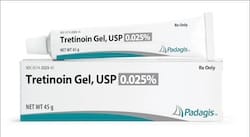
Buy Tretinoin Gel Online: Best Prices and Fast Shipping
Mastering the Application of Tretinoin Gel
Think of applying tretinoin like learning to ride a bicycle without training wheels. At first, you might feel a bit wobbly and uncertain about the balance required. If you rush into a full-throttle approach, your skin might decide to stage a protest through redness and peeling. It is a delicate dance between patience and persistence.
The golden rule is to start small. Using a pea-sized amount for your entire face might seem like a stingy move, but it is the secret sauce to avoiding irritation. Think of it as a slow burn rather than a wildfire. You want the active ingredient to work without scorching your skin’s natural barrier.
Timing is everything when you are working with this potent retinoid. Applying it at night is non-negotiable because sunlight can degrade the formula. It’s like trying to keep a candle lit in a hurricane; the UV rays simply won’t allow the tretinoin to do its job effectively. Nighttime is when your skin enters its natural repair mode.
Consistency is the name of the game. You won’t wake up with a porcelain complexion overnight, no matter how much you desire it. It is a marathon, not a sprint. Some users find success with the “sandwich method” to mitigate dryness. This involves applying moisturizer, then the tretinoin, and then another layer of moisturizer on top.
The Precision Technique
Start with a completely dry face. Applying tretinoin to damp skin is like pouring gasoline on a fire; it increases absorption too quickly and can lead to intense stinging. Wait about twenty minutes after washing your face to ensure every drop of moisture has evaporated from your pores before you begin.
Dab the gel onto your fingertips first. Spread it evenly across your forehead, nose, chin, and cheeks, making sure to avoid the sensitive real estate around your eyes and the corners of your mouth. These areas are notoriously temperamental and can become cracked or flaky if the gel migrates into them too easily.
If you find yourself looking like a ghost due to extreme peeling, don’t panic. This is often a sign that your skin is adjusting to the cellular turnover. However, if the irritation becomes unbearable, scale back your frequency. It is better to use it twice a week and stay steady than to use it daily and quit entirely.
Keep a watchful eye on your skin’s behavior. Every complexion is a unique ecosystem with its own set of rules. What works for a friend might leave your skin feeling like sandpaper. Listen to your skin’s subtle cues; it will tell you when it needs a break or when it is ready for more.
Application Schedule and Tools
| Phase | Frequency | Primary Goal |
| Acclimation | 2-3 times per week | Build tolerance |
| Maintenance | Every other night | Steady turnover |
| Advanced | Every night | Maximum efficacy |
When shopping for supplies, remember that a good, thick moisturizer is your best friend. You might spend $25 on a basic cream or $80 on a high-end barrier repair balm. Both can serve the purpose, but the goal is to lock in hydration. Don’t forget that sunscreen is your mandatory bodyguard every single morning.
Some people prefer using a specialized silicone brush to apply the gel more evenly. These small tools can cost around $10 to $15 and help prevent the “clumping” that can happen when using fingers. It’s a small investment for a much more controlled and less messy skincare routine during your nightly ritual.
Avoid mixing tretinoin with other heavy hitters in the same routine. If you use a strong Vitamin C serum or an exfoliating acid, keep them in your morning routine. Mixing them at night can be a recipe for disaster, turning a skincare routine into a chemical warfare zone that leaves your face red.
- Always use a pea-sized amount.
- Wait until skin is completely dry.
- Avoid the delicate eye area.
- Sunscreen is mandatory every morning.
- Patience is your greatest ally.
Dosage Strengths and Potency Levels
Navigating the various concentrations of tretinoin can feel like wandering through a minefield without a map. One wrong move with a high-strength formula can leave your face feeling like it has been through a windstorm. It is essential to understand that “more” does not always mean “better” when it comes to your nightly skincare ritual.
Most dermatologists suggest starting at the lowest possible concentration to allow your skin’s barrier to build up its defenses. Jumping straight into the deep end with a high-percentage gel is a recipe for a red, peeling disaster. Think of it as training for a marathon; you wouldn’t run twenty miles on your very first day of jogging.
The potency of the gel is typically measured by its percentage, which dictates how aggressively it forces your skin cells to turn over. While it might be tempting to grab the strongest bottle on the shelf, your skin’s tolerance is the true master here. Listen to your complexion, as it will signal when a step up is actually warranted.
Low, Medium, and High Concentrations
The 0.025% concentration is often considered the entry point for most beginners. It is the “gentle introduction” that helps your skin get used to the idea of rapid cellular turnover without causing a massive inflammatory response. If you have sensitive skin, this is your safest bet for a long-term journey.
Moving up to 0.05% is a common mid-level step for those whose skin has become accustomed to the initial dose. At this level, you might notice a slight increase in dryness or minor flaking. It is a sign that the medication is working, but you must stay vigilant about your hydration levels and moisturizer usage.
The 0.1% strength is the heavy hitter in the tretinoin family. This is usually reserved for more stubborn acne or advanced signs of aging that haven’t responded to lower doses. It is a potent tool that requires a disciplined approach; skipping your moisturizer or sunscreen at this stage is practically asking for trouble.
Choosing between these levels depends entirely on your unique skin biology and your specific dermatological goals. Some people find their “sweet spot” at 0.05% and never need to go higher, while others find that only the 0.1% dose provides the results they crave. There is no one-size-fits-all answer in the world of retinoids.
Below is a breakdown of common pricing structures for different prescription and over-the-counter options you might encounter.
| Product Tier | Quantity/Supply | Estimated Cost |
| Standard Prescription (0.025%) | 30g Tube | $45 |
| Intermediate Strength (0.05%) | 30g Tube | $60 |
| High Potency (0.1%) | 30g Tube | $85 |
| Premium Brand Gel | 15ml Container | $120 |
When deciding which strength to pursue, remember that the goal is long-term skin health, not a quick fix. A cheaper, lower-strength product that you can use consistently for a year is far more effective than a high-strength gel that you have to stop using after two weeks because your skin is too irritated.
Keep in mind that the cost of the gel is only one part of the equation. You must also factor in the cost of high-quality, non-comedogenic moisturizers and broad-spectrum sunscreens. These supporting players are what keep your skin from becoming a desert while the tretinoin does its heavy lifting behind the scenes.
Price Breakdown and Market Value
Shopping for tretinoin can feel like trying to navigate a labyrinth without a flashlight. One moment you are looking at a budget-friendly generic, and the next, you are staring at a premium brand that costs as much as a fancy dinner out. It is easy to feel overwhelmed by the sheer variety of price tags floating around the skincare market.
Understanding the market value requires looking beyond the sticker price on the bottle. While it is tempting to chase the lowest possible number, the true cost involves how long the product actually lasts. A cheap gel that you have to apply heavily might end up costing you more in the long run than a slightly pricier, more concentrated option.
Many people find themselves caught between the convenience of online pharmacies and the traditional route of a local dermatologist. Each path comes with its own set of financial quirks and hidden fees. You have to decide if the savings of a mail-order service are worth the wait or the potential for different packaging styles.
Retail vs. Prescription Dynamics
The pricing landscape is split into two major camps: the prescription route and the direct-to-consumer models. Prescription gels, which require a doctor’s nod, often have a higher upfront cost due to the professional consultation. However, these are often the most reliable way to ensure you are getting exactly what your skin needs.
On the other hand, many modern skincare companies offer subscription-based models that aim to undercut traditional pharmacies. These services often package the gel in smaller amounts to keep the monthly cost low. It is a clever way to make the treatment more accessible, though it requires a bit more discipline to keep the tubes coming.
You might also encounter “boutique” brands that market themselves as luxury skincare. These products often wrap the same active ingredient in fancy, aesthetically pleasing packaging. While they look beautiful on your vanity, you are essentially paying a premium for the brand name rather than the actual medicinal potency of the gel.
When you weigh these options, consider your long-term commitment. If you are someone who loves a predictable monthly budget, a prescription subscription might be your best friend. If you prefer to buy in bulk and save money over the year, the traditional pharmacy route might be the winner.
Comparing Monthly Expenses
Budgeting for your skincare routine is like managing a household account; you need to account for the essentials and the extras. Tretinoin is the star of the show, but it cannot work alone. You must also prepare for the secondary costs of maintaining a healthy skin barrier.
If you are on a tight budget, you might find that generic 0.025% gel is your best friend. It allows you to spend your extra cash on a high-quality, soothing moisturizer. This balance is the secret sauce to a successful routine that doesn’t break the bank or leave your face peeling.
It is also worth noting that prices can fluctuate based on where you live and the current supply chain. Some months, you might find a sale or a discount code that makes a premium brand much more palatable. Keeping an eye out for these opportunities can save you a significant amount of money over time.
The following table provides a snapshot of what you might expect to pay for various tiers of tretinoin gel in the current market.
| Market Category | Typical Price Range | Value Assessment |
| Generic Prescription | $30 – $50 | Best for long-term budget |
| Specialty Brand | $70 – $100 | Mid-range, often better texture |
| Dermatology Clinic | $120 – $180 | Highest cost, highest oversight |
| Subscription Service | $25 – $45 | Convenient, but requires commitment |
Ultimately, the “best” price is the one that allows you to stay consistent. If a product is so expensive that you start rationing it to make it last longer, you are likely doing more harm than good. Consistency is the golden rule of retinoid use, so pick a price point that works for your lifestyle.
Sourcing Your Prescription Safely
Navigating the world of online pharmacies can feel like walking through a minefield without a map. You see a shiny advertisement promising a miracle in a tube for a fraction of the cost. However, when it comes to potent retinoids, cutting corners can lead to a literal burn on your face.
The internet is a vast ocean, and not every ship is seaworthy. It is incredibly easy to stumble upon websites that look professional but lack the legal credentials to sell controlled substances. You wouldn’t buy a car from a random stranger in an alley, so why treat your skin differently?
Always verify that a provider is a legitimate, licensed pharmacy before you hit that “buy” button. A real medical professional will never ask you to bypass a consultation or skip the necessary paperwork. If the process feels too easy, your intuition is likely picking up on a red flag.
Safety isn’t just about the legality of the seller; it is about the integrity of the product itself. When a gel is stored in a warehouse that is too hot, the active ingredients can degrade. You want a product that has been handled with care from the lab to your doorstep.
Verifying Online Providers
If you are leaning toward a telehealth service, look for clear signs of medical oversight. A reputable company should offer a way to speak with a licensed practitioner. This isn’t just a formality; it is your safety net to ensure the dosage is appropriate for your specific skin type.
Check for a “VIPPS” seal or similar accreditation on the website. This is like a gold star for pharmacies, proving they meet rigorous standards for quality and safety. It provides peace of mind that you aren’t just sending your credit card info into a black hole.
Read the fine print regarding shipping and returns. If a provider refuses to offer any accountability for damaged or incorrect items, run the other way. You are paying for a medical treatment, not a mystery box from a social media influencer’s sponsored post.
Don’t forget to check user reviews on third-party sites rather than just the company’s own testimonials. Real people often share their experiences with shipping delays or product efficacy. These unfiltered voices are often much more honest than a polished marketing campaign designed to lure you in.
Keep an eye out for these common warning signs when browsing:
- Prices that seem too good to be true (e.g., $5 for a month’s supply).
- Websites that do not require a prescription or a medical consultation.
- Lack of a physical address or a working customer service phone number.
- Payment methods that only accept non-refundable options like wire transfers.
The Importance of Clinical Oversight
Some people argue that a dermatologist is an unnecessary expense, but think of them as your skin’s personal bodyguard. They understand the nuance of how tretinoin interacts with other ingredients like benzoyl peroxide or salicylic acid. This expertise can prevent a massive breakout or chemical irritation.
A doctor can also help you navigate the “retinoid uglies,” that initial phase where skin might peel or feel dry. They can adjust your strength or suggest a buffer method to mitigate these effects. It is much easier to prevent an irritation than it is to heal one.
When you source your gel through a clinic, you are paying for the peace of mind that comes with professional accountability. If something goes wrong, you have a medical professional to call. That level of support is worth its weight in gold when your skin barrier feels compromised.
Consider the long-term benefits of a professional relationship. As your skin adapts and becomes more resilient, your needs will change. A doctor can transition you to different concentrations or complementary products, ensuring your skincare journey evolves as you do.
Logistics, Shipping, and Delivery Expectations
The Journey from Pharmacy to Doorstep
Once you have cleared the medical hurdles and placed your order, the clock starts ticking. You might be tempted to hover over your tracking link like a hawk, but logistics can be a fickle beast. Shipping speeds vary wildly depending on whether your provider uses local warehouses or ships from a centralized hub.
Standard shipping is often the most economical route, usually arriving within 5 to 10 business days. However, if you are running low on your current tube, you might find yourself paying a premium for expedited transit. It is a balancing act between your budget and the urgency of your skincare routine.
Keep in mind that many reputable telehealth platforms use discreet packaging. This is a common courtesy to ensure your business remains your own. You won’t see “High-Potency Retinoid” printed in bold letters on the exterior of the box, which is a welcome relief for anyone seeking privacy.
Temperature control is a silent hero in the logistics process. Since tretinoin is sensitive to light and heat, the way a package is handled during transit matters immensely. If a delivery driver leaves your package in a hot mailbox in the middle of summer, you might be getting a diminished product.
Understanding Shipping Costs and Timelines
When calculating your monthly skincare budget, you must account for more than just the price of the gel. Shipping fees can sometimes feel like a hidden tax if you aren’t looking closely at the checkout screen. Always check if there is a threshold to qualify for free delivery.
Below is a general breakdown of what you might encounter when ordering online. Please note that these figures are estimates and can fluctuate based on your specific provider and location:
| Shipping Method | Estimated Delivery | Typical Cost |
| Standard Ground | 5-10 Business Days | $5 – $10 |
| Expedited Shipping | 2-3 Business Days | $15 – $25 |
| Overnight Delivery | Next Day | $35+ |
It is wise to time your orders strategically. Do not wait until you are scraping the bottom of the tube to reorder. Aim to place your next order when you have about a week’s worth of product remaining. This buffer accounts for any unexpected delays in the postal system.
If you find yourself frequently paying for expedited shipping, it might be time to switch to a subscription model. Many modern pharmacies offer a “set it and forget it” option. This often lowers the individual shipping cost and ensures you never face a sudden, empty tube when you need it most.
Handling Damaged or Delayed Shipments
Sometimes, things go sideways. A package might get lost in the shuffle of a massive sorting facility, or a delivery driver might leave it in a precarious spot. If your package arrives crushed or the seal is broken, do not simply toss it in the trash. You need to document the damage immediately.
Take clear photos of the damaged box and the product inside. This photographic evidence is your best friend when filing a claim with customer service. Most legitimate companies will send a replacement at no extra cost if you can prove the item arrived in poor condition.
If your shipment is significantly delayed, don’t be afraid to reach out. A quick email or a phone call can often clear up whether a package is simply stuck in transit or if it has been lost entirely. Most reputable providers pride themselves on their customer support and will work to resolve issues.
Be wary of companies that make the refund process a nightmare. If a provider’s “Contact Us” page is a dead end, that is a major red flag. You want a company that stands behind its service and treats your investment with the respect it deserves, even when mistakes happen.
Comparing Tretinoin Gel to Retinol Creams
The Potency Gap
Think of retinol as a gentle stroll through a park on a sunny afternoon. It is pleasant, safe, and unlikely to cause a scene. It works its magic slowly, gradually encouraging cell turnover without making a massive splash on your skin’s surface. For beginners, it is a safe harbor to test the waters of retinoid use.
Tretinoin gel, however, is more like a high-speed chase in a thunderstorm. It is a direct form of Vitamin A, meaning your skin doesn’t have to do any heavy lifting to convert it. Because it hits the ground running, the results often appear much faster than those from a standard cream.
This directness is a double-edged sword. While you might see fine lines smoothing out more quickly, the risk of irritation is significantly higher. Using tretinoin is a commitment; you are essentially asking your skin to undergo a rapid renovation project, which can lead to some temporary redness or peeling.
If you are someone who prefers a “slow and steady wins the race” approach, a retinol cream might be your best friend. But if you are ready to roll up your sleeves and tackle stubborn acne or deep wrinkles, the gel is the heavyweight champion of the skincare world.
Texture and Absorption
The physical experience of applying these products varies wildly. Retinol creams are often thick, lush, and designed to feel like a comforting moisturizer. They are great for those with dry skin who need a little extra hydration to offset the potential dryness that comes with vitamin A use.
Tretinoin gel is a different beast entirely. It is thin, often clear or slightly milky, and designed to sink into the skin almost instantly. While this makes it feel less “heavy” on the face, it can also feel quite drying if you do not follow it up with a good moisturizer.
Many users find that the gel disappears into their pores like a ghost in the night. This is excellent for those with oily skin types who want to avoid a greasy residue. However, if you have a desert-dry complexion, you might find the gel a bit too stark without a buffer.
When choosing between the two, consider your skin’s natural oil production. A cream can act as a protective barrier, whereas a gel is a targeted strike. It is all about finding the right tool for the specific landscape of your unique skin texture.
The Cost of Results
When we look at the bottom line, the price tag often tells a story of accessibility versus intensity. Retinol creams are available everywhere, from local drugstores to high-end boutiques. You can find a decent cream for $15 to $30, making it a very low-stakes entry into the world of anti-aging.
Tretinoin gel is a different animal because it typically requires a prescription. This means you aren’t just paying for the substance, but also for the medical consultation and the pharmacy’s handling. You might see costs ranging from $40 to $100 depending on the strength and the provider.
It is helpful to view this as an investment in efficiency. While the upfront cost of the gel is higher, you might find that you need fewer products overall because it is so much more effective. It is the difference between buying many small candles versus one high-quality spotlight.
Here is a quick glance at how they typically stack up in terms of value and impact:
| Feature | Retinol Cream | Tretinoin Gel |
| Availability | Over-the-counter | Prescription only |
| Speed of Results | Slow (months) | Moderate (weeks) |
| Typical Price | $15 – $50 | $40 – $100+ |
| Irritation Risk | Low | High |
Contact & directions
Address:
2717 West Olympic Boulevard,
Los Angeles, CA 90006, USA