
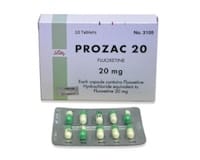
Buy Prozac Online at the Best Price Today
Daily Regimen and Dosage Protocols
Starting a new medication can feel like stepping into a thick fog without a compass. For those battling Major Depressive Disorder, doctors typically begin with a modest 20mg dose. This cautious approach helps the body acclimate to the chemical shift. It is a slow dance between your brain chemistry and the medicine.
When OCD is the primary concern, the roadmap changes slightly. Physicians often find that higher concentrations are necessary to quiet intrusive thoughts. Consequently, the standard starting point for OCD frequently begins at 20mg but often scales upward much faster. It is not a race to the finish line, but a steady climb.
Finding the right “sweet spot” is a highly individualized journey. One person might find peace at 20mg, while another feels like a ghost without 60mg. Think of it as tuning a radio; sometimes you have to turn the dial slowly to find the clear signal. Always listen to your doctor’s guidance during this delicate calibration phase.
Commonly prescribed strengths include:
- 10mg for sensitive titration
- 20mg as the standard baseline
- 40mg for moderate therapeutic needs
- 60mg for advanced clinical management
Adjusting your milligram amounts is never a DIY project. You cannot simply decide to double up because you had a bad Tuesday. Changes must happen under strict medical supervision to avoid a rollercoaster of side effects. Your doctor will likely use a “step-up” method, watching how you react before moving to the next level.
If you feel the medication isn’t hitting the mark, don’t panic. Your physician might increase your dose by 10mg or 20mg increments. They are looking for the lowest effective dose that keeps the shadows at bay. It is a fine balancing act that requires patience and a very clear line of communication.
Consistency is the heartbeat of this treatment. Taking your pill at the same time every day keeps your plasma levels as steady as a mountain stream. If you fluctuate your timing, you might feel like you are riding a wave that never quite settles. Predictability is your best friend in this process.
Many people prefer taking it in the morning to avoid the dreaded “midnight jitter.” If the pills make you feel sleepy, nighttime might be your best bet. The goal is to integrate this habit into your life so it becomes second nature. Routine is the bedrock of stability.
Missing a dose can feel like a minor stumble, but how you handle it matters. If you realize you forgot a pill a few hours late, just take it. However, if it is almost time for your next dose, skip the missed one entirely. Never try to “catch up” by taking two pills at once.
Accidentally doubling a dose can send your system into a bit of a tailspin. If you find yourself twice-dosed, don’t panic, but do reach out to your healthcare provider. While a single mistake is rarely a catastrophe, it is a signal to slow down and re-examine your daily routine or pill organizer.
Some patients find that using a pillbox helps keep them on the straight and narrow. It is a simple tool that prevents the “did I take it?” anxiety that can plague many. Keeping your regimen organized is just as important as the chemical itself in achieving long-term mental clarity.
Cost Analysis and Pricing in USD
Navigating the financial side of mental health care can feel like trying to walk through waist-deep mud. You want to focus on your well-being, but the sudden weight of pharmacy receipts can pull you under. Understanding what you will actually pay at the counter is the first step toward managing your budget effectively.
When you walk into a standard retail pharmacy, the price you see depends on many moving parts. A single tablet might seem inexpensive in isolation, but the cumulative cost adds up quickly. It is important to look at the big picture rather than just the price of one little pill.
The retail price for a single tablet can fluctuate wildly depending on your location and the specific pharmacy chain. You might find a slight discount at a grocery store pharmacy compared to a high-end corner shop. It is always worth a quick phone call to compare prices before you commit your hard-earned cash.
The Brand vs. Generic Tug-of-War
For many, the term “Prozac” is the only one that sticks in the mind, but “fluoxetine” is what you will see on many labels. This is the generic version of the medication. While the brand-name version carries a certain prestige, it often comes with a much steeper price tag for the consumer.
Generic fluoxetine is the heavy lifter in the world of affordability. Because the patent has long expired, many manufacturers can produce it, driving the cost down significantly. It contains the exact same active ingredient as the brand-name version, working just as hard to stabilize your mood without the premium price.
Think of it like buying a generic brand of milk or bread. It might not have the fancy, colorful packaging of the name brand, but it performs the exact same job. In most clinical scenarios, switching to the generic version is a smart move that keeps your wallet from feeling the squeeze.
Here is a general breakdown of how these different options might look in terms of your monthly spending:
| Option Type | Quantity (30-Day Supply) | Estimated Cost |
|---|---|---|
| Brand-Name Prozac | 30 Tablets | $120.00 – $250.00 |
| Generic Fluoxetine | 30 Tablets | $15.00 – $45.00 |
| Generic (90-Day Bulk) | 90 Tablets | $35.00 – $90.00 |
| Brand-Name (90-Day Bulk) | 90 Tablets | $350.00 – $600.00 |
Factors That Sway Your Total Bill
The total amount you pay is rarely a fixed number; it is a moving target. One major factor is the quantity you request from your doctor. Buying a 90-day supply at once is often much more economical than getting a 30-day supply every single month. It is a classic case of buying in bulk.
Refills also play a massive role in your long-term expenses. If your prescription allows for multiple refills, you can avoid the administrative headache of calling the doctor every month. Sometimes, pharmacies offer discounts if you set up an automatic refill program, which can be a lifesaver for tight budgets.
Don’t forget to consider the impact of your insurance coverage. This is perhaps the biggest wild card in the equation. Your out-of-pocket costs are heavily dictated by whether the medication is on your plan’s formulary and how much your copay is for generic versus brand-name drugs.
Insurance companies often have a “tiered” system for medications. Brand-name drugs are frequently placed in a higher tier, meaning you pay a larger share of the cost. Generics are usually in a lower tier, making them much more accessible. Always ask your provider, “How much will this cost me today?”
If you find yourself struggling with costs despite having insurance, there may be other avenues to explore. Many manufacturers offer assistance programs, and some discount cards can shave significant amounts off the retail price. Never settle for a price that makes your mental health a financial burden.
Sourcing and Procurement Options
Securing a valid prescription is the first hurdle in this marathon. You cannot simply walk into a shop and demand a bottle of fluoxetine like you would a pack of gum. A licensed medical professional must evaluate your history to ensure this specific treatment is the right fit for your unique brain chemistry.
The process typically starts with a consultation, which might happen in a physical office or via a telehealth video call. During this chat, your doctor will ask about your symptoms, lifestyle, and any other medications you currently take. It is vital to be brutally honest here; they cannot help you if you hide the truth.
Once the doctor is satisfied, they will send an electronic prescription to your chosen pharmacy. This digital handshake ensures the pharmacist receives the exact dosage required. Without this official paper trail or electronic signal, no legitimate pharmacy in the country can legally hand over the medication to you.
Comparing Your Pharmacy Options
Walking into a local brick-and-mortar pharmacy is the “tried and true” method. There is a certain comfort in seeing a familiar face behind the counter. If you have a question or a sudden reaction to a pill, you can walk back in and ask for help immediately.
Local shops offer the luxury of instant gratification. You walk in, pay the copay, and walk out with your medication in hand. However, they may not always have the lowest price, and you might find yourself stuck in a long queue behind someone arguing over a coupon.
On the flip side, online pharmacies offer a level of convenience that is hard to beat. You can order from your couch while wearing your pajamas. For many, the ability to compare prices across multiple digital storefronts is a game-changer for managing a tight monthly budget.
While online options are convenient, they require a bit more vigilance. You must ensure you are dealing with a licensed entity. A reputable online pharmacy should always require a prescription from a doctor; if a website offers to sell you Prozac without one, run the other way.
Red Flags and Digital Safety
The internet can be a wild west of questionable offers. If a website looks like it was designed in 1998 and offers “miracle cures” or “unbeatable deals” on psychiatric drugs, your internal alarm bells should be ringing loudly. If it feels too good to be true, it almost certainly is.
Watch out for these specific warning signs when browsing online:
- Websites that do not require a valid prescription from a doctor.
- Pharmacies that ship medications from overseas without proper FDA oversight.
- Prices that are significantly lower (e.g., 70% less) than any legitimate competitor.
- Lack of a physical address or a working customer service phone number.
Shipping psychiatric medication across state lines is generally legal, provided you are using a legitimate, licensed pharmacy. Many people live far from a specialized clinic and rely on interstate shipping to maintain their treatment. However, the medication must still originate from a pharmacy that follows federal and state laws.
To ensure you are getting the real deal, always look for the “VIPPS” seal or verify the pharmacy through the National Association of Boards of Pharmacy. You can also check the FDA’s website to see if a specific pharmacy has been flagged for selling counterfeit or unsafe drugs.
Authenticity can be tricky, but you can take steps to protect yourself. Check the packaging for clear expiration dates and intact safety seals. If the pills look different from what your doctor described—perhaps a different shape or a strange texture—stop using them and contact your healthcare provider immediately.
Shipping Logistics and Delivery Expectations
Once you have clicked that final “order” button, the clock starts ticking. The journey from the pharmacy warehouse to your doorstep involves several moving parts. Timing can vary wildly depending on your location and the specific service level you selected at checkout.
Domestic shipments are generally quite efficient, often arriving within 3 to 7 business days. If you opt for expedited shipping, you might see your package in just 48 hours. It is like ordering a pizza; you want it fast, but you expect it to arrive in a timely manner.
International orders are a different beast entirely. These shipments can take anywhere from two to six weeks, depending on customs and local postal services. Navigating international borders is often like trying to walk through a crowded room during rush hour—it is unpredictable and requires patience.
When your package finally arrives, the integrity of the medication is paramount. Fluoxetine is relatively stable, but extreme heat or freezing temperatures can potentially degrade the chemical potency. Reputable pharmacies use specialized, sturdy packaging designed to withstand the rigors of transit without compromising the contents.
Modern logistics companies often use insulated liners or thermal-stable containers for sensitive shipments. This ensures that your pills don’t bake in a delivery truck sitting in the sun. It is better to be safe than sorry when it comes to your mental health and medication efficacy.
If you are tracking a package, don’t let the anxiety build up. Most legitimate pharmacies provide a tracking number via email as soon as the label is printed. You can monitor the progress of your parcel like a hawk, watching every milestone from the warehouse to the local hub.
If a package goes missing, don’t panic just yet. Sometimes, a “delivered” status simply means it was left in a discrete spot by the carrier. Check with neighbors or around your porch. If it truly vanishes, contact the pharmacy immediately to initiate a claim or a replacement.
Delayed shipments are often due to weather or heavy seasonal volume. If your tracking hasn’t moved in several days, a quick phone call to the carrier can clear the air. Most reputable companies will stand by their delivery promises to keep their customers happy.
Privacy is a major concern for anyone managing a prescription for mental health. You might not want the delivery driver or a roommate to know exactly what is inside the box. Many pharmacies use “discreet packaging” strategies to ensure your medical business remains your own business.
This usually means the outer box is plain and carries no logos or mentions of psychiatric medications. It should look like any other routine household delivery. This layer of anonymity provides a sense of security and prevents any unwanted questions from nosy neighbors.
However, always check the shipping labels carefully. While the contents are private, the sender’s name might be the name of the pharmacy. If you prefer total anonymity, look for services that offer “neutral” or “blind” shipping options for an extra fee.
It is important to remember that some substances have strict shipping restrictions. While Prozac is a prescription medication, it is not a “controlled substance” in the same way that opioids are. This means it doesn’t face the same intense federal scrutiny during transit.
Nevertheless, you must strictly follow the laws of both your origin and destination. Shipping prescription drugs across international borders without the proper permits can lead to seizures by customs. Always verify that the pharmacy is legally permitted to ship to your specific region.
Failure to comply with these regulations can result in your package being confiscated or even destroyed. To avoid this headache, stick to licensed, reputable pharmacies that handle the heavy lifting of legal compliance. It is not worth the risk to cut corners here.
Clinical Comparisons with Other SSRIs
Choosing the right antidepressant is often like trying to find the perfect pair of shoes; it might look great in the box, but the fit is what truly matters. While Prozac, Zoloft, and Lexapro all belong to the same family, they don’t all walk the same path. Each molecule interacts with your brain’s chemistry in a slightly different rhythm.
Some people find that Prozac feels like a gentle nudge, while others find Zoloft to be a bit more of a heavy hand. It isn’t uncommon for a patient to try one, hit a wall with side effects, and then find success with another. This “trial and error” phase is a common, albeit frustrating, part of the mental health journey.
Comparing these medications requires looking at more than just the name on the bottle. You have to consider how they affect your energy, your appetite, and your sleep cycles. What works for a friend might leave you feeling like a zombie, making the choice highly individual and deeply personal to your unique biology.
The Long and Short of Half-Life
One of the most striking differences lies in how long the drug stays in your system. Prozac is the marathon runner of the SSRI world. It has a remarkably long half-life, meaning it lingers in your bloodstream for weeks even after you stop taking it. This provides a natural “buffer” if you happen to miss a dose.
In contrast, medications like Lexapro and Zoloft have much shorter half-lives. They exit your system more quickly, which can be a double-edged sword. If you forget a pill, you might feel the “dip” sooner. This makes the tapering process—the slow reduction of dosage—much more delicate and critical to manage carefully with a doctor.
Because Prozac lingers so long, it is often easier to taper off of without experiencing sudden withdrawal symptoms, often called discontinuation syndrome. For those sensitive to changes, this slow exit is a blessing. However, if you experience side effects while taking it, they might also take a little longer to fade away entirely.
Doctors often use this long half-life to their advantage when switching patients between different classes of antidepressants. It acts as a bridge, smoothing out the transition. It’s like a slow-moving tide rather than a sudden wave, making the physiological shift much less jarring for your central nervous system.
Side Effect Profiles and Weight Trends
When it comes to side effects, the “usual suspects” include nausea, dry mouth, and sexual dysfunction. However, the intensity and timing vary. Zoloft is frequently associated with more gastrointestinal issues early on—some call it a “stomach bug” feeling. It’s often a hurdle you have to clear during the first two weeks of treatment.
Lexapro is often praised for being “cleaner” or more selective. Because it is very targeted, some patients report fewer “scattered” side effects compared to other options. However, “cleaner” doesn’t mean “invisible.” You might still deal with drowsiness or a sense of emotional blunting that feels like watching life through a pane of glass.
Weight gain is a major concern for many people navigating depression. While most SSRIs are considered “weight neutral” in the short term, long-term use can lead to changes. Some studies suggest that certain SSRIs might lead to more significant weight gain than others due to metabolic changes or increased cravings for carbohydrates.
Prozac is often noted for being slightly more “activating,” which can actually help with the lethargy and weight gain sometimes seen in depression. On the other hand, some patients find that other SSRIs make them feel more “spaced out” or hungry. It’s a delicate balance between managing your mood and managing your metabolism.
| Medication | Primary Characteristic | Weight Profile |
| Prozac (Fluoxetine) | Activating / Long Half-Life | Relatively Neutral |
| Zoloft (Sertraline) | GI-focused / Versatile | Neutral to Slight Gain |
| Lexapro (Escitalopram) | Highly Selective / Smooth | Potential for Gain |
Matching the Med to the Mood
Not all depression is created equal, and neither are the medications. If your depression feels like being stuck in thick, heavy mud—lethargic, sleepy, and unable to move—an activating medication like Prozac might be the spark needed to get things moving again. It can provide that much-needed boost of energy.
On the flip side, if your primary struggle is high-octane anxiety—racing thoughts, panic attacks, and a constant sense of dread—a more calming profile might be preferred. Lexapro is often a go-to for generalized anxiety disorder because of its targeted, soothing effect on the nervous system without as much “jitteriness.”
For those dealing with obsessive-compulsive tendencies or social anxiety, Zoloft has a long and storied history of efficacy. It’s a workhorse medication that many clinicians rely on when the symptoms involve a lot of repetitive, intrusive thoughts. It’s about finding the right tool for the specific job at hand.
Ultimately, your doctor looks at your “symptom cluster.” Are you anxious and sad? Or depressed and agitated? The choice between these SSRIs often comes down to whether you need a “gas pedal” to increase energy or a “brake pedal” to slow down the anxiety. It is a nuanced, highly scientific dance.
Practical Usage Scenarios and Side Effects
Starting a new medication can feel like stepping onto a moving walkway that is slightly too fast. During the first fourteen days, your body is essentially performing a recalibration. It is not uncommon to feel a bit “on edge” or notice a strange fluttering in your stomach that mimics pre-coffee jitters.
Nausea is a frequent visitor during this initial phase. Think of it as your digestive system learning a new rhythm. Rather than fighting it, try sipping ginger ale or eating small, frequent snacks throughout the day. This approach often helps smooth out the rocky edges of the transition period.
If the jitteriness feels like a constant hum of nervous energy, don’t panic immediately. Many people find that taking the dose in the morning helps prevent these sensations from interfering with sleep. If you feel like you are vibrating on a different frequency, keep a log of these sensations to share with your physician.
Sometimes, the “why” behind the prescription changes everything. For a patient battling clinical depression, the goal might be lifting a heavy, gray fog that makes even getting out of bed feel like a marathon. In this context, the drug acts as a slow-rising sun, gradually brightening the landscape of daily life.
When used to treat Bulimia Nervosa, the clinical objective shifts toward curbing the repetitive, compulsive nature of bingeing and purging. It isn’t just about mood; it is about breaking a neurological cycle. The medication helps create a “buffer zone” between the urge to binge and the action itself, providing much-needed mental space.
It is a different battle entirely. While depression treatment focuses on emotional elevation, treating eating disorders often requires a focus on impulse control and stabilizing the neurochemical pathways involved in reward and compulsion. This is why your doctor might adjust the dosage significantly depending on which condition is being targeted.
Be wary of the “natural” route if you are already on a prescription. Mixing Prozac with St. John’s Wort is like throwing gasoline on a small fire. Both substances increase serotonin levels, and combining them can lead to a dangerous, overwhelming surge within your central nervous system.
Many people reach for over-the-counter supplements to “boost” their mood, but this can backfire spectacularly. Always treat your supplement cabinet with the same respect as your pharmacy bag. A quick conversation with a pharmacist can save you from a very expensive and very scary trip to the emergency room.
Serotonin syndrome is a rare but serious condition that demands immediate attention. It is the body’s “overload” switch being flipped. If you suddenly experience shivering, heavy sweating, muscle rigidity, or a rapid heart rate, you shouldn’t wait for your next scheduled appointment to call a professional.
Think of it as a biological red alert. While rare, the symptoms can escalate quickly. If you notice a sudden change in mental status—like feeling extremely confused or agitated—alongside physical tremors, seek medical help immediately. It is always better to be overly cautious than to ignore a brewing storm.
To truly get the most out of your treatment, consider your lifestyle as part of the prescription. Medication is a powerful tool, but it works best when the foundation is solid. Establishing a consistent sleep schedule and a regular movement routine can amplify the therapeutic effects significantly.
Avoid the temptation to rely solely on the pill to do the heavy lifting. Incorporating mindfulness or cognitive-behavioral strategies can help you navigate the thoughts that the medication is helping to quiet. Think of the medication as the scaffolding that allows you to rebuild the house of your mental health.
Nutrition also plays a quiet but vital role in how you feel. While you don’t need a perfect diet, avoiding excessive caffeine can prevent that “wired” feeling that some people experience. Managing your environment and your habits creates the ideal soil in which the medication can actually take root.
| Symptom Category | Common Early Side Effect | Action to Take |
| Digestive | Nausea or upset stomach | Eat small meals; try ginger |
| Neurological | Jitteriness or restlessness | Take in the morning; track it |
| Urgent | Confusion, fever, tremors | Seek immediate medical care |
Contact & directions
Address:
2717 West Olympic Boulevard,
Los Angeles, CA 90006, USA